
Organic thermal fluid heaters https://8ruiyan.com/en/all-organic-heat-carrier-boilers/ and pressure vessels are both critical in industrial settings. They often work in tandem within heating systems. While each handles pressurized operation, and their external forms may sometimes appear alike, their core functions and internal designs serve distinctly different purposes. Let’s clarify what sets them apart.
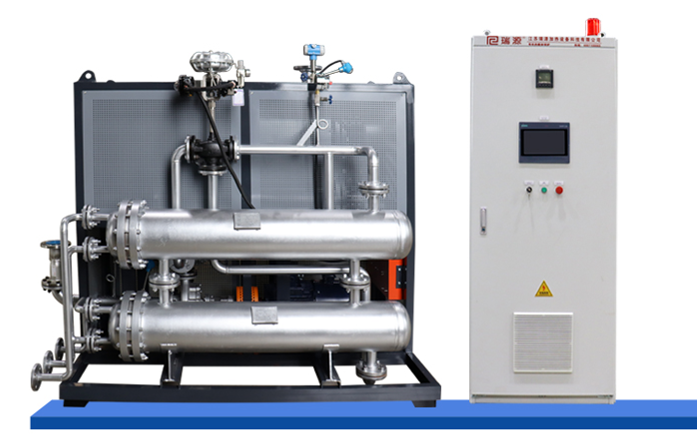
First, The Core Job
An Organic Thermal Fluid Heater (Thermal Oil Heater) has one main job: heat up oil. It burns fuel or uses electricity. The heat transfers to a special oil (the “thermal fluid”). This hot oil then circulates. It delivers precise, high-temperature heat to machines or processes. The fluid itself is under pressure, but it does not turn into steam.
A Pressure Vessel has a different job: contain substances under pressure. It stores or processes things. This could be air, gas, chemicals, or even hot water. It does not actively create heat. Any heat inside usually comes from an external source, like our thermal fluid heater.
Simple Analogy:
- Na stránkách Thermal Fluid Heater is like a specialized electric kettle for oil. It heats the oil directly and pumps it out.
- A Pressure Vessel is like a sealed Thermos or a storage tank. It holds the hot oil (or other substance) that the heater made.
Key Features Side-by-Side
| Organic Thermal Fluid Heater | Pressure Vessel |
|---|---|
| Purpose: To generate and transfer heat | Purpose: To store or process materials |
| Process: Actively heats a fluid (thermal oil) | Process: Contains a fluid; no active heating |
| System: Has a burner, pump, and heating coils | Design: Primarily a sealed tank or chamber |
| Pressure Source: From circulating pumps and thermal expansion | Pressure Source: From internal fluid/gas or external pumps |
| Temperature: Can reach very high temps (>300°C) at low pressure | Temperature & Pressure: Linked; high temp often means high pressure |
How They Work Together
In a real system, they are often a team. The heater is the heart. The pressure vessel is a supporting part.
- Na stránkách Thermal Fluid Heater heats the oil.
- The hot oil flows into a Pressure Vessel, like an expansion tank. This tank safely handles the oil’s expansion as it heats up.
- The hot oil is then pumped to where the heat is needed, like a reactor or dryer.
- The cooler oil returns to the heater to be warmed again.
So, the heater creates the heat. The pressure vessel helps manage the system safely.
Safety Focus: Different Risks
For Thermal Fluid Heaters:
The big risk is overheating the oil. If the flow stops, the oil can get too hot. This breaks down the oil (“coking”). It can start a fire. Safety needs pumps, flow meters, and temperature controls.
For Pressure Vessels:
The main risk is too much pressure. A weak point can burst. If it holds hot oil, leaks can cause burns or fires. Safety needs pressure relief valves, strong design, and regular checks.
Important Note: In many places, the heating coils inside the thermal fluid heater are classified as pressure vessels. They must follow strict pressure vessel design codes. The outer furnace part follows boiler/heater codes.
Common Uses
Organic Thermal Fluid Heaters are great for:
- Chemical plants needing steady, high heat.
- Asphalt and bitumen heating.
- Food processing, like frying lines.
- Plastics and textile manufacturing.
- Any process needing precise temperature control above 100°C.
Pressure Vessels in these systems act as:
- Expansion tanks for the hot oil.
- Storage tanks for the cold oil.
- De-aeration tanks to remove air and moisture.
The Bottom Line
Don’t get them confused.
- Na stránkách Organic Thermal Fluid Heater is the active heating unit. It makes the hot oil.
- Na stránkách Pressure Vessel is the container. It holds the oil (or other fluids) safely.
A typical thermal fluid system needs both. The heater provides the heat. The pressure vessels ensure safe and stable operation.
Choosing the right equipment means understanding this partnership. It leads to safer, more efficient, and reliable industrial heating.
For further problems about organic thermal fluid heaters, please contact our technical team for expert advice.
Whatsapp:86-19106101570
wechat:86-19106101570
email:fob@jsryan.com
 Chinese
  Russian
  Indonesian
  German
  French
  Italian
  Spanish
  Portuguese
  Polish
  Czech
Czech  Turkish
  Korean
  Japanese
  Arabic
  Persian
  Dutch
Dutch  English