
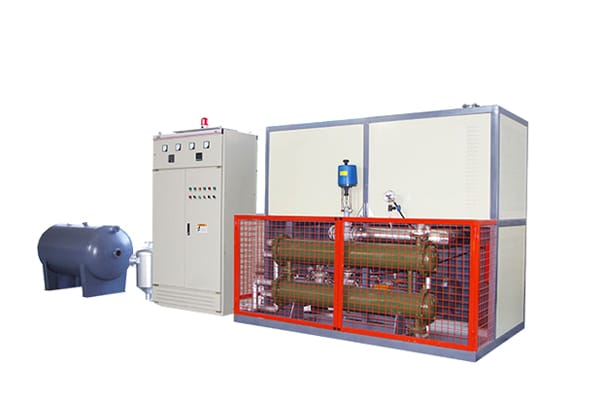
Thermal oil heaters https://8ruiyan.com/en/all-organic-heat-carrier-boilers/ are excellent for industrial heating. They operate at high temperatures with good stability. But sometimes, these systems require cooling. This may seem counterintuitive. Let’s explore why.
The Primary Role: Heating
First, remember the main job. A thermal oil system transfers heat to your process. For example, it might keep a reactor at 300°C for chemical production. Or it could maintain a press at 180°C for laminating materials. The thermal oil circulates, carrying heat from the burner to the equipment.
So Why Add Cooling?
Cooling becomes necessary when precise temperature control is critical. Heating alone is not enough for some processes.
Scenario 1: Process Temperature Stability
Imagine a batch process. The reaction inside a vessel generates its own heat. The thermal oil heater adds more heat. The temperature can rise too quickly. This is dangerous. It can damage the product or the equipment. A cooling function helps remove this excess heat. It keeps the temperature perfectly stable.
Scenario 2: Emergency Shutdown
What if a pump fails? Or if there’s a power cut? The heater will stop. But the hot thermal oil (at maybe 300°C) remains in the system. It will keep heating the equipment by inertia. This “residual heat” can cause overheating. A cooling system can quickly lower the oil temperature. It prevents damage and improves safety.
Scenario 3: Cooling the Product
Some processes have a cooling phase. For instance, a mold might need heating to 200°C to shape a plastic. Then, it needs cooling to 35°C to solidify the final product. Using the same thermal oil system for both steps is efficient. It avoids needing a separate cooling unit.
How is Cooling Added?
There are several common methods.
1. Air Coolers (Fin-Fan Units)
This is like a car radiator. Hot thermal oil passes through finned tubes. A fan blows ambient air across them. The oil releases heat to the air. This method is simple and cost-effective.
2. Heat Exchangers with Cooling Water
A plate or shell-and-tube heat exchanger is installed. Cool water flows on one side. Hot thermal oil flows on the other side. Heat transfers from the oil to the water. This method is very effective for rapid cooling. It requires a source of cool water.
3. Mixing Valves for Temperature Control
A special three-way valve is used. It mixes hot oil from the heater with cooled oil from a bypass loop. This gives very precise control of the final oil temperature. It is ideal for sensitive processes.
Key Takeaway
A thermal oil system with cooling is more than just a heater. It becomes a complete temperature management unit. It provides safety, precision, and often, better product quality. If your process is sensitive, involves batch cycles, or requires strict safety protocols, consider adding a cooling function. It turns your heater into a versatile and reliable partner for your production.
Always consult with a qualified engineer. They can design the right cooling solution for your specific needs and equipment.
For further consultation, please contact our technical team for expert advice.
Whatsapp:86-19106101570
wechat:86-19106101570
email:fob@jsryan.com
 Chinese
  Russian
  Indonesian
  German
  French
  Italian
  Spanish
  Portuguese
  Polish
  Czech
Czech  Turkish
  Korean
  Japanese
  Arabic
  Persian
  Dutch
Dutch  English