
Elektrische Thermalölerhitzer https://8ruiyan.com/en/all-organic-heat-carrier-boilers/ are widely used in industries like chemical processing, pharmaceuticals, and oil & gas. In hazardous areas where flammable gases, vapors, or dusts may be present, using an explosion-proof heater is crucial for safety.
These heaters are designed to prevent ignition of the surrounding atmosphere. A key part of their safety is the explosion-proof rating. Let’s break down the common classifications and where they apply.
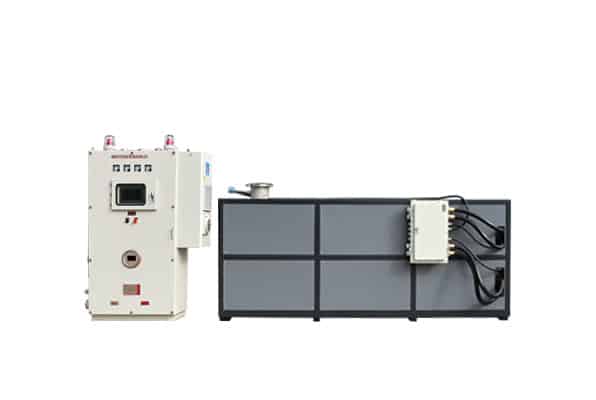
Main Protection Standards & Levels
Two major systems are used globally: the ATEX/IECEx Zone system (common internationally) and the North American Class/Division system.
1. For Hazardous Gases & Vapors (Gas Groups)
- ATEX/IECEx Zones:
- Zone 1: An area where an explosive gas-air mixture is likely to occur during normal operation. Heaters here require a high protection level (e.g., Ex d, Ex e, Ex ia/ib).
- Zone 2: An area where an explosive atmosphere is not likely in normal operation. If it occurs, it will only exist for a short time. Protection like Ex nA or increased safety is often sufficient.
- North American Classes & Divisions:
- Class I, Division 1: Similar to Zone 1. Hazardous concentrations of flammable gases exist under normal conditions.
- Class I, Division 2: Similar to Zone 2. Hazardous gases are handled but normally confined or unlikely to be present.
Common Protection Types for Gases/Vapors:
- Flameproof Enclosure (Ex d): Contains any internal explosion and prevents ignition outside. Used in Zone 1/Division 1.
- Increased Safety (Ex e): Prevents excessive temperatures and sparks. Often used in Zone 1/2 or as a component.
- Intrinsic Safety (Ex ia/ib): Limits electrical energy to prevent sparks. Used for instrumentation in Zone 0/1.
- Non-Sparking (Ex nA): Prevents arcs or hot surfaces. Suitable for Zone 2/Division 2.
2. For Combustible Dusts (Dust Groups)
- ATEX/IECEx Zones:
- Zone 21: An area where combustible dust is likely during normal operation.
- Zone 22: An area where dust is not likely normally. If it occurs, it persists for a short time only.
- North American System:
- Class II, Division 1: Combustible dust is present in the air under normal conditions.
- Class II, Division 2: Dust is not normally in the air but may settle. Ignitable layers can form.
Protection for Dust Areas:
- Enclosure Protection (Ex tD): Dust-tight or dust-protected enclosures prevent dust ingress. They also limit surface temperature. Used for Zones 21/22 or Class II Divisions.
How to Choose the Right Level?
Selecting the correct rating depends on a hazardous area classification study of your plant.
- Identify the hazard type: Is it gas (Class I/Zone 0,1,2) or dust (Class II/Zone 21,22)?
- Determine the frequency of the hazardous atmosphere: Is it continuous, occasional, or rare? This defines the Zone or Division.
- Know your material’s group: Substances are classified into groups (IIC, IIB, IIA for gases; IIIA, IIIB, IIIC for dusts) based on ignition properties. Your heater’s rating must match or exceed the required group.
- Check the temperature class (T-rating): The heater’s maximum surface temperature must be below the ignition temperature of the surrounding gas or dust.
Key Takeaway
Always consult with safety engineers and the heater manufacturer. The correct explosion-proof rating is not optional—it is a critical safety requirement. It ensures reliable operation and protects your personnel and facility from severe risks.
Remember: When in doubt, refer to local regulations and standards. Proper selection starts with understanding the specific hazardous environment in your facility.
For further consultation, please contact our technical team for expert advice.
Whatsapp:86-19106101570
wechat:86-19106101570
email:fob@jsryan.com
 Chinese
  Russian
  Indonesian
  German
  French
  Italian
  Spanish
  Portuguese
  Polish
  Czech
Czech  Turkish
  Korean
  Japanese
  Arabic
  Persian
  Dutch
Dutch  English