
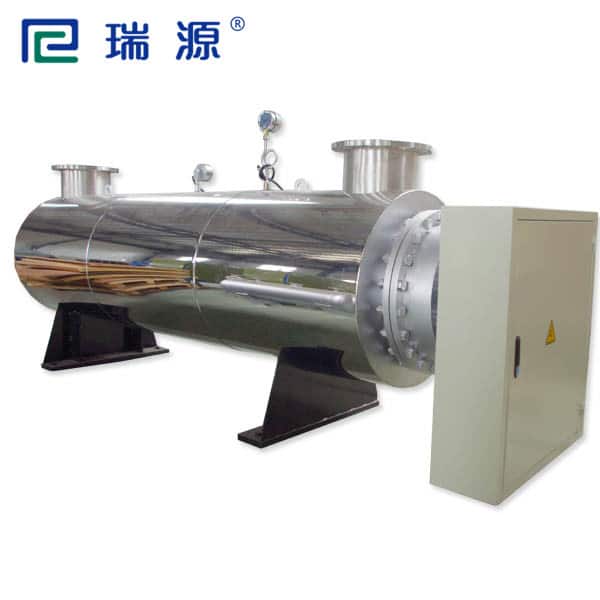
Pipe heaters https://8ruiyan.com/en/all-air-heaters/are vital in pharmaceutical manufacturing. They keep fluids at the correct temperature. But these are not standard industrial heaters. They must meet strict pharmaceutical requirements. One key topic is surface finish, or polishing. Let’s explore why it matters.
Are There Special Requirements?
Yes. Pipe heaters in pharma have special needs. They follow cGMP and FDA rules. The goal is to ensure product safety and purity. Materials must be non-reactive and easy to clean. Surface finish is a major focus.
The Polishing Question: Is It Necessary?
In most cases, yes, it is necessary. Polishing is critical for heaters in product contact zones. It is a standard requirement for quality and compliance.
Why Polish? The Key Reasons
- Prevents Contamination: Smooth surfaces have no hiding spots. Bacteria, residues, or particles cannot lodge in tiny grooves. This reduces contamination risk.
- Enables Effective Cleaning: Polished surfaces are easier to clean and sterilize. Cleaning agents and steam can flow smoothly. This ensures complete removal of product residues.
- Protects Product Purity: Some drug ingredients can stick to rough metal. A smooth surface allows full product recovery. It maintains the drug’s intended strength and quality.
- Meets Regulatory Standards: Agencies like the FDA expect cleanable surfaces. A defined polish is proof of a suitable design. It shows a commitment to quality.
Where is Polishing Needed?
Polishing is needed on all product contact surfaces. This includes:
- The inner surface (bore) of the heater pipe.
- All interior welds and joints.
- Any fitting or connection in the product flow path.
- For external surfaces, a smoother finish aids in general area cleaning.
Polishing Standards and Requirements
The industry uses specific polish grades. They are measured in Ra (Roughness Average). A lower Ra number means a smoother surface.
- #4 Finish (Mechanical Polish): Has visible grinding lines. Used for non-product areas like utility lines. Not for direct product contact.
- #7 Finish (Sanitary Polish): This is the common standard. It is very smooth to the touch and sight. Typical Ra is 0.8 µm (32 µin) or better. Used for most product transfer lines.
- Mirror / #8 Finish (Electropolished): The highest standard. It has a reflective, mirror-like look. Achieved by mechanical polish followed by electropolishing. Ra is 0.25 µm (10 µin) or better. Used for ultra-pure water (WFI) and sensitive biologic products.
Electropolishing is a valuable extra step. It removes free iron from the stainless steel surface. It also enhances the natural protective layer. This improves corrosion resistance and cleanability even more.
Key Takeaways for Your Project
- Always specify the polish level. Use #7 or better for any product contact surface.
- Choose 316L stainless steel. It is the preferred material for its polishability and corrosion resistance.
- Ensure welds are smooth and continuous. They should match the polish of the pipe.
- Request documentation. Suppliers should provide Ra measurement certificates.
- Consult with your heater supplier early. Explain your product and process. They can recommend the right finish.
Schlussfolgerung
For pharmaceutical pipe heaters, polishing is not optional. It is a core requirement for safety and quality. A properly polished surface prevents contamination. It makes cleaning reliable. Most importantly, it protects the patient. When selecting a heater, never compromise on surface finish. It is a small detail with a big impact.
For further problems about pipe heaters, please contact our technical team for expert advice.
Whatsapp:86-19106101570
wechat:86-19106101570
email:fob@jsryan.com
 Chinese
  Russian
  Indonesian
  German
  French
  Italian
  Spanish
  Portuguese
  Polish
  Czech
Czech  Turkish
  Korean
  Japanese
  Arabic
  Persian
  Dutch
Dutch  English