
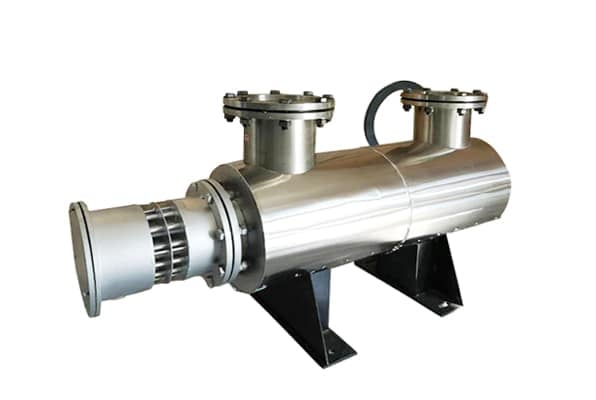
When choosing an air heaterhttps://8ruiyan.com/en/all-air-heaters/ for industrial settings, safety is a top priority. Two key safety ratings you will encounter are Dust Explosion Proof and Gas Explosion Proof. They sound similar but protect against different hazards. Let’s break down what each means and where they are used.
What is Dust Explosion Proof?
This protection is for environments with combustible dust.
- Dust can come from materials like flour, wood, sugar, metal powders, or plastics.
- If this dust mixes with air and finds an ignition source, it can explode.
- It is built to prevent such explosions.
- Its housing contains any sparks or high heat inside the unit.
- This stops the ignition of dust in the surrounding air.
What is Gas Explosion Proof?
This protection is for environments with flammable gases or vapors.
- These gases can be propane, methane, solvents, or chemical vapors.
- They can ignite if they meet a spark or hot surface.
- It is designed differently.
- It seals electrical parts completely. It also cools hot surfaces.
- This ensures the unit won’t ignite the surrounding gas mixture.
Key Differences
| Feature | Dust Explosion Proof | Gas Explosion Proof |
|---|---|---|
| Main Hazard | Combustible dust in the air | Flammable gases or vapors |
| Protection Focus | Contains internal sparks/heat | Seals parts & cools surfaces |
| Common Standards | Marked for Class II & III, Division 1 or 2 (or Zone 21/22) | Marked for Class I, Division 1 or 2 (or Zone 1/2) |
| Typical Housing | Designed to prevent dust entry and contain ignition | Sturdier, often with flame-path joints to cool escaping gases |
Different Applications
Use Dust Explosion Proof Heaters in:
- Grain silos and flour mills
- Woodworking and sawmills
- Food processing plants (spices, sugar)
- Recycling facilities and coal handling
Use Gas Explosion Proof Heaters in:
- Oil refineries and chemical plants
- Paint spray booths and solvent storage
- Gas processing and distribution areas
- Laboratories using volatile fluids
The Bottom Line
The main difference is the hazard type: dust vs. gas/vapor.
- A heater safe for gas areas might not be safe for dust, and vice versa.
- Always check the heater’s safety certification label.
- Match the heater’s rating to your specific workplace hazard.
Choosing the wrong type can be very dangerous. When in doubt, consult a safety expert. Invest in the right protection to keep your workplace safe and compliant.
For further consultation, please contact our technical team for expert advice.
Whatsapp:86-19106101570
wechat:86-19106101570
email:fob@jsryan.com
 Chinese
  Russian
  Indonesian
  German
  French
  Italian
  Spanish
  Portuguese
  Polish
  Czech
Czech  Turkish
  Korean
  Japanese
  Arabic
  Persian
  Dutch
Dutch  English