
Your electric thermal oil heater https://8ruiyan.com/en/all-organic-heat-carrier-boilers/ needs a good pump. The pump is the heart of the system. A poor pump choice hurts efficiency. It can also cause breakdowns. Let’s talk about why the pump matters. We will look at the key differences and important parameters.
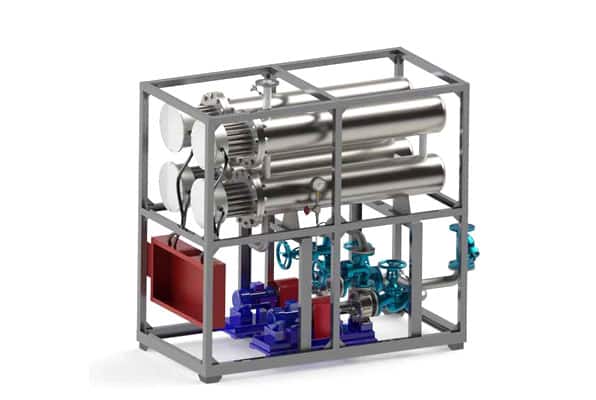
Why the Pump Choice is Critical
The pump does more than move oil. It keeps your system safe and efficient.
1. Heat Transfer Efficiency
The pump must create enough flow. Good flow creates “turbulent” movement inside the pipes. This is important. Turbulent flow transfers heat from the heater to the oil very well. It also transfers heat from the oil to your process.
Slow flow is a problem. It leads to “laminar” flow. Heat transfer becomes poor. The oil near the heater wall gets extremely hot. This is called high “film temperature.” High film temperature cracks and carbonizes the oil. It makes sludge that clogs your system.
2. System Protection
The right pump protects your fluid and heater. Stable flow prevents local hot spots. This extends the life of your thermal oil.
It also prevents pump “cavitation.” Cavitation happens when vapor bubbles form and collapse inside the pump. It damages the pump. It also causes noise and vibration. Correct pump selection stops this.
3. Operational Stability
A good pump gives you stable pressure and flow. Your process temperature will be steady. System control becomes easier and more responsive.
Key Pump Parameters to Check
Here are the main numbers you must get right.
1. Flow Rate (m³/h or GPM)
This is how much oil the pump moves. It must be high enough. The flow must carry all the heat from the electric heater to your process. Ask your supplier to calculate the required minimum flow for your heater power.
2. Head (meters or feet)
Think of this as the pump’s power to push oil through the system. It must overcome all resistance. Resistance comes from pipes, valves, the heater coil, and your process equipment. The total system pressure drop must be less than the pump’s head.
3. Operating Temperature
Your pump handles very hot oil. Make sure the pump is rated for your system’s maximum operating temperature. This affects the body materials, gaskets, and, most importantly, the seal type.
4. NPSH (Net Positive Suction Head)
This is crucial to avoid cavitation. NPSH Available (NPSHa) is how much pressure your system has at the pump’s inlet. NPSH Required (NPSHr) is how much pressure the pump itself needs to work smoothly.
You must have: NPSHa > NPSHr (with a good safety margin).
To increase NPSHa, ensure the pump is installed low enough and the inlet pipe is large and short.
5. Pump Type & Seal
- Type: Centrifugal pumps are most common. They are good for clean, high-flow systems. Positive displacement pumps (like gear pumps) are used for very high-pressure systems.
- Seal: This is critical. Standard seals will fail. Use a mechanical seal designed for high temperatures. A double mechanical seal with a cooling barrier is often the best choice. It lasts longer and is much safer.
Final Tips for Your Selection
- Never Under-size: A slightly bigger pump is better than a smaller one. But, an extremely oversized pump is also bad. It wastes energy and can cause control issues.
- Consult Experts: Work with your heater manufacturer and a pump specialist. Give them all your system details.
- Quality Matters: Do not choose a cheap, low-duty pump. Invest in a pump built for industrial thermal oil service. It will save you money on energy, maintenance, and fluid replacement.
Choosing the right pump is not just a detail. It is a key decision for a safe, efficient, and reliable thermal oil system. Take your time. Get the parameters right. Your heater will thank you with years of steady performance.
For further problems about Electric Thermal Fluid Heater, please contact our technical team for expert advice.
Whatsapp:86-19106101570
wechat:86-19106101570
email:fob@jsryan.com
 Chinese
  Russian
  Indonesian
  German
  French
  Italian
  Spanish
  Portuguese
  Polish
  Czech
Czech  Turkish
  Korean
  Japanese
  Arabic
  Persian
  Dutch
Dutch  English
A really good blog and me back again.
Thank you. Please feel free to contact us if you need any assistance. WHATSAPP +86 19106101570
每天都在战争,希望2026和平.
是的,希望世界和平
看不懂但大受震撼
Thank you. Please feel free to contact us if you need any assistance. WHATSAPP +86 19106101570
Very good i like it
Thank you. Please feel free to contact us if you need any assistance. WHATSAPP +86 19106101570
Pingback: hello world
Thank you. Please feel free to contact us if you need any assistance. WHATSAPP +86 19106101570