
These three names sound similar. They all use high heat. But they are not the same. Each serves a different purpose. Their working temperatures are also very different. If your goal is polymer cleaning, you need to choose carefully.
Let us look at what makes them different.
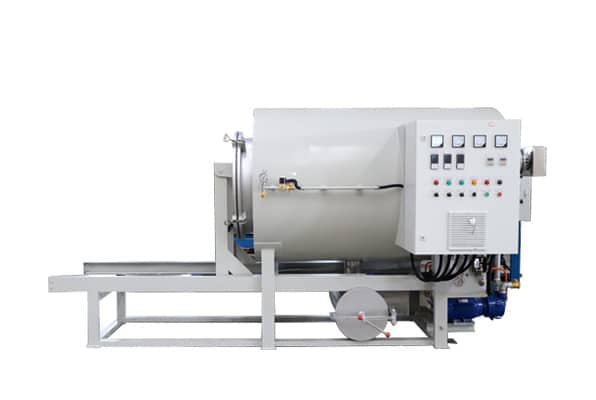
1. Vacuum Cleaning Furnace
This furnace https://8ruiyan.com/en/all-vacuum-cleaning-furnaces/ removes polymers from parts. It is common in the chemical fiber and plastics industries.
- How it works: It heats parts in a vacuum or low‑oxygen environment. Polymers melt, vaporize, or break down.
- Temperature range: Typically 300°C – 500°C.
- Main purpose: To clean metal parts like spinnerets, filters, and screws.
- Key feature: No oxygen means no burning. No smoke or ash.
- Result: Parts come out clean and ready to reuse.
2. Pyrolysis Oven
Pyrolysis means thermal decomposition. This oven breaks down organic materials.
- How it works: It heats materials without oxygen. They decompose into gas, oil, and solid residue.
- Temperature range: Typically 400°C – 800°C (depending on the material).
- Main purpose: Often used for waste treatment, recycling, or laboratory analysis.
- Key feature: Focuses on chemical breakdown, not just cleaning.
- Result: Materials are transformed into other substances.
3. Calcining Furnace
Calcination is a heat treatment process. It is widely used in metallurgy and chemistry.
- How it works: It heats materials to high temperatures. This drives off volatile substances. It may cause oxidation or chemical change.
- Temperature range: Typically 800°C – 1300°C or higher.
- Main purpose: To treat ores, minerals, or catalysts. Also used to remove water or carbon dioxide.
- Key feature: Usually operates in an open atmosphere or with controlled air flow.
- Result: The material’s chemical structure changes permanently.
Quick Comparison Table
| Feature | Horno aspirador | Pyrolysis Oven | Calcining Furnace |
|---|---|---|---|
| Main Job | Clean polymer residue | Break down organics | Chemically change minerals/ores |
| Temperatura | 300°C – 500°C | 400°C – 800°C | 800°C – 1300°C+ |
| Atmosphere | Vacuum / low oxygen | Oxygen‑free | Air or controlled gas |
| What Happens | Polymers melt or vaporize | Decomposition into gas + solids | Volatiles removed; chemical change |
| Typical Users | Fiber, film, plastics industries | Waste recycling, labs | Mining, cement, chemical plants |
| End Goal | Clean, reusable parts | Recover energy or materials | Prepare material for next step |
Can One Machine Do All Three?
Sometimes equipment has multiple functions. But in most industrial settings, these are separate machines. Each is designed for a specific job. Using the wrong one can damage parts or fail to achieve the desired result.
Summary
- Horno aspirador (300°C – 500°C) – cleans polymer‑coated parts.
- Pyrolysis Oven (400°C – 800°C) – decomposes organic material for disposal or recovery.
- Calcining Furnace (800°C – 1300°C+) – chemically alters ores or minerals.
They all use high heat. But their purpose, atmosphere, and temperature range are very different. If your application requires polymer cleaning from spinnerets, screws, or filters, the vacuum cleaning furnace is the right choice. Choose based on your process need.
For further problems about polymer cleaning , please contact our technical team for expert advice.
Whatsapp:86-19106101570
wechat:86-19106101570
email:fob@jsryan.com
 Chinese
  Russian
  Indonesian
  German
  French
  Italian
  Spanish
  Portuguese
  Polish
  Czech
Czech  Turkish
  Korean
  Japanese
  Arabic
  Persian
  Dutch
Dutch  English