
A leak in your thermal oil system https://8ruiyan.com/en/all-organic-heat-carrier-boilers/ is a serious issue. It can be dangerous and costly. But knowing the causes and the right steps to take is key.
First: Immediate Safety Actions (Stop, Warn, Evacuate)
- Immediately shut down the heater and pump. Cut the power source.
- Do not walk through or touch the leaked hot oil. Thermal oil can be extremely hot and cause severe burns.
- Ventilate the area. Open doors and windows if safe to do so. Prevent vapor buildup.
- Mark and block off the leak area. Use warning signs or barriers.
Next: Identify the Source and Type of Leak
Quickly and safely check for the leak’s origin. Common types include:
- Wet Leak: Visible dripping or pooling of oil.
- Smoke/Fume Leak: Heated oil leaking onto hot surfaces, producing smoke or fumes.
- System Pressure Drop: The control panel shows a rapid loss of pressure, indicating a major leak.
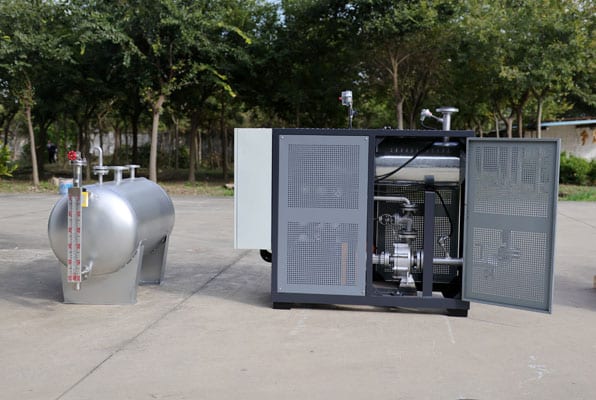
Common Causes of Leaks
Understanding why leaks happen helps prevent them:
- Pipe & Joint Failure: Corrosion, vibration, or poor welding can weaken pipes and flanges.
- Pump Seal Failure: The shaft seal on the circulation pump wears out over time.
- Gasket & Valve Failure: High temperatures degrade gaskets and valve packings.
- Equipment Damage: Physical impact or thermal stress cracks components.
- Operational Errors: Over-temperature, pressure surges, or improper thermal shock.
What NOT To Do
- Do not ignore a small leak. It will likely get worse.
- Do not restart the system before fixing the leak and refilling oil.
- Avoid using water to spray or clean up hot oil.
Professional Repair and Restart
This is not a DIY fix. Contact your supplier or a professional technician.
- They will find the exact leak point, drain the system if needed, and make proper repairs.
- After repair, the system must be carefully refilled with new or filtered oil.
- A professional restart and check are essential to ensure safety.
Prevention is Key
- Schedule regular inspections: Check pumps, valves, and welds.
- Perform routine maintenance: Change gaskets and seals as recommended.
- Monitor system parameters: Watch for unusual temperature or pressure changes.
- Train your staff: Ensure everyone knows the basic shutdown and emergency steps.
A thermal oil leak requires a calm and correct response. Prioritize safety first. Then rely on professionals to solve the problem properly.
For further consultation, please contact our technical team for expert advice.
Whatsapp:86-19106101570
wechat:86-19106101570
email:fob@jsryan.com
 Chinese
  Russian
  Indonesian
  German
  French
  Italian
  Spanish
  Portuguese
  Polish
  Czech
Czech  Turkish
  Korean
  Japanese
  Arabic
  Persian
  Dutch
Dutch  English