
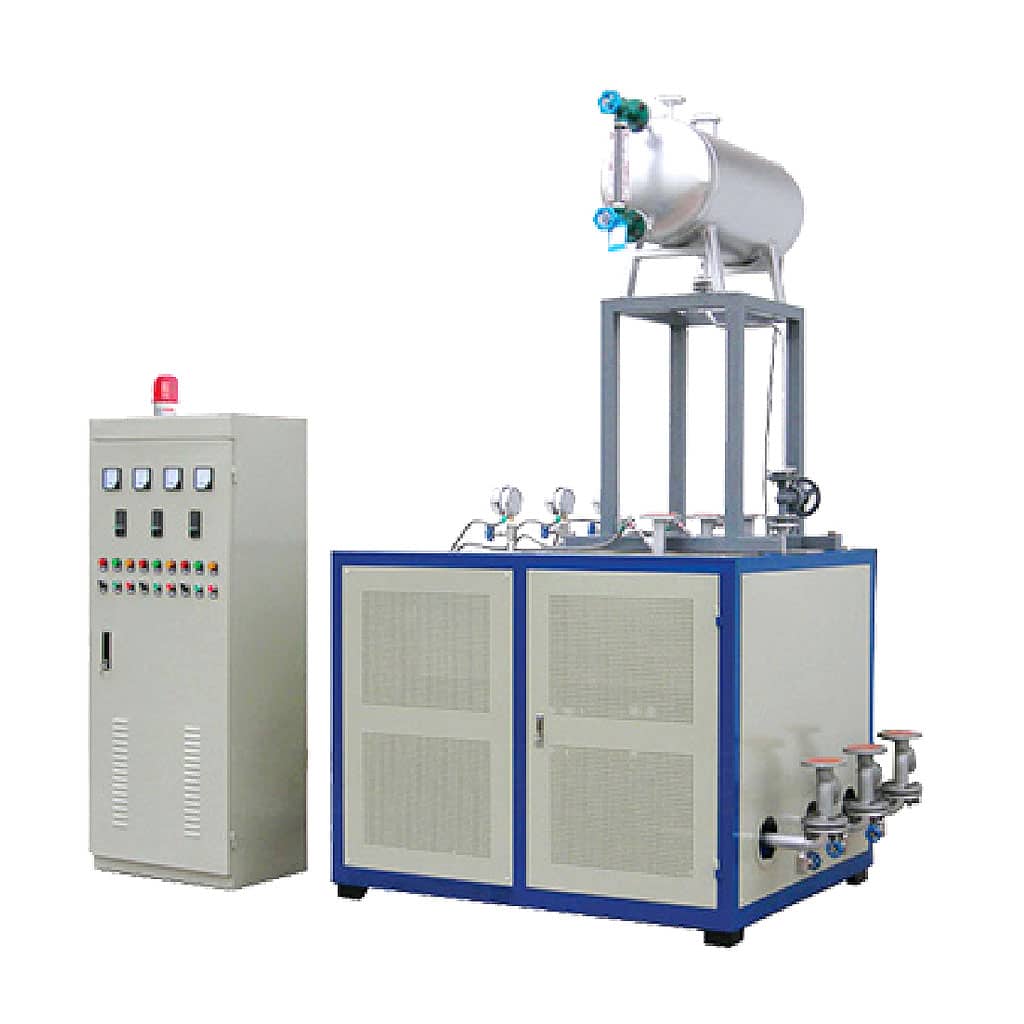
Thermal fluid (heat transfer fluid) systems https://8ruiyan.com/en/all-organic-heat-carrier-boilers/are vital in many industries. However, fluid degradation and system contamination are frequent issues. They reduce efficiency, increase costs, and create safety hazards. Let’s look at the common problems and their solutions.
Common Causes of Fluid Degradation & Contamination
- Oxidation. This happens when hot fluid contacts air. It often occurs in an open expansion tank. The fluid thickens. Sludge and acids form. This leads to fouled surfaces and corrosion.
- Thermal Overheating. Fluid overheats when local temperatures exceed its maximum film temperature. This is often caused by low flow rates or high heat flux. The fluid cracks or cokes. Solid carbon forms. It coats heater surfaces and system walls.
- Contaminant Entry. Common contaminants are water, new fluid, or cleaning solvents. Water causes sudden vaporization. This leads to pressure surges and pump cavitation. Mixing different fluids lowers the overall performance.
- System Leaks & Corrosion. Leaks introduce air (causing oxidation) or let fluid escape. Internal corrosion produces particles. These particles circulate. They accelerate wear and can block narrow passages.
What You Can Do: Practical Solutions
- Prevent Oxidation. Keep the expansion tank temperature below 60°C. Use a nitrogen blanket. This seals the tank from ambient air. Regularly check seals and tank conditions.
- Avoid Overheating. Ensure proper fluid velocity across the heater. Always follow the manufacturer’s guidelines. Monitor outlet and film temperatures closely. Use high-temperature alarms. Clean filters and strainers regularly.
- Control Contamination. Store new fluid properly. Keep it away from moisture. Thoroughly drain and dry the system after any washdown. Never mix different fluid types. Test a sample for compatibility first.
- Fix Leaks & Manage Corrosion. Repair leaks immediately. This saves fluid and prevents air ingress. Use corrosion-resistant materials for system components. Regular fluid analysis is key. It detects early signs of contamination or degradation.
The Best Practice: Regular Fluid Analysis
Schedule periodic fluid analysis. It is like a blood test for your system. It measures viscosity, acidity (TAN), and flash point. It also checks for solid content. The report will tell you the fluid’s condition. It guides decisions. You will know if you need filtration, corrective action, or a fluid change.
Conclusion
Most problems are preventable. Focus on proper system design, careful operation, and consistent maintenance. Protect your fluid from air, overheating, and contaminants. Invest in regular testing. This approach saves money. It ensures safe operation. It also extends the life of your thermal fluid and your entire system.
For further problems about Thermal fluid (heat transfer fluid) systems, please contact our technical team for expert advice.
Whatsapp:86-19106101570
wechat:86-19106101570
email:fob@jsryan.com
 Chinese
  Russian
  Indonesian
  German
  French
  Italian
  Spanish
  Portuguese
  Polish
  Czech
Czech  Turkish
  Korean
  Japanese
  Arabic
  Persian
  Dutch
Dutch  English
Yes! Finally something about website.
Thank you. Please feel free to contact us if you need any assistance. WHATSAPP +86 19106101570