
Pipelines are everywhere. They carry water, oil, chemicals, and gases across industries. But when temperatures drop, problems arise. Fluids thicken. They freeze. They stop flowing. That is where pipe heaters https://8ruiyan.com/en/all-air-heaters/come in.
What Is a Pipe Heater?
A pipe heater is a device that keeps pipelines warm. It maintains or raises the temperature of the fluid inside. This prevents freezing. It also keeps fluids flowing smoothly in cold weather or during processing.
Think of it like a heating blanket for pipes. But instead of fabric, it uses metal, electricity, or hot fluids to deliver heat.
Why Are Pipe Heaters Important?
Without pipe heaters, many industrial processes would stop. Here is why they matter:
- Prevent Freezing: In cold climates, water or liquids can freeze inside pipes. This blocks flow. It can even burst the pipe.
- Maintain Viscosity: Some fluids, like heavy oil or bitumen, become thick when cold. Heating keeps them thin and pumpable.
- Process Requirements: Many industrial processes need fluids at a specific temperature. Pipe heaters help maintain that temperature.
- Safety: In chemical plants, cold pipes can cause unwanted reactions or pressure changes. Stable temperatures reduce risks.
Main Types of Pipe Heaters
Different jobs need different heaters. Here are the most common types:
1. Electric Pipe Heaters
These use electrical elements to generate heat. They come in two main styles:
- Cable Heaters (Heat Tracing): A heating cable wraps around the pipe. It is flexible and easy to install. Ideal for long pipelines.
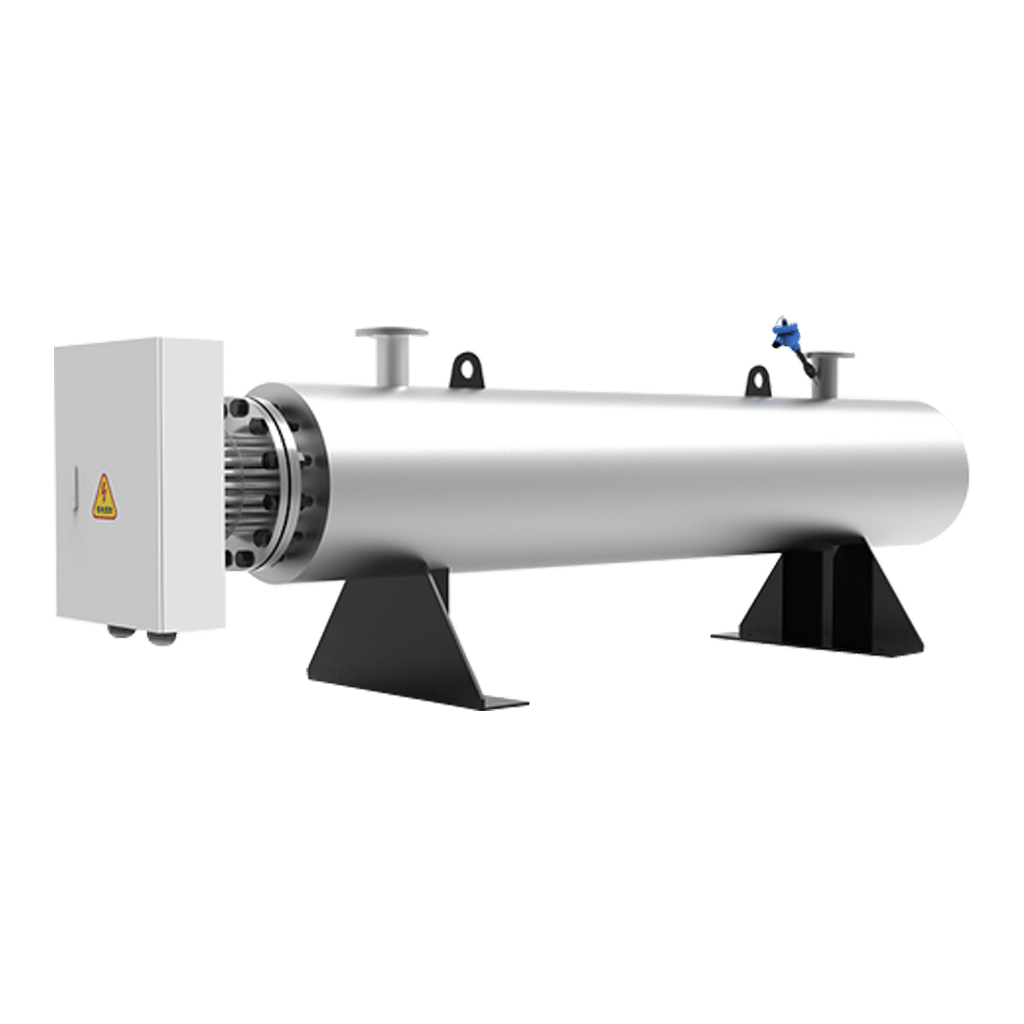
- Inline Flanged Heaters: A heating element sits inside a short pipe section. Fluid flows directly over the hot element. Great for high flow rates or high temperatures.
2. Jacket Heaters
A second layer (jacket) surrounds the pipe. Hot fluid or steam flows through the jacket. This heats the inner pipe evenly. Common in chemical and food processing.
3. Immersion Heaters
The heating element goes directly into a tank or vessel. The pipe connects to the tank. The fluid heats before entering the pipe.
4. Skin Effect Heaters
A special system for very long pipes. A small diameter tube is welded to the pipe. An electrical cable runs inside this tube. The “skin effect” creates heat along the entire length.
Key Components of an Electric Pipe Heater
If you look inside a typical electric pipe heater, you will find:
- Heating Element: Usually a metal tube with a resistance wire inside. Common materials are stainless steel or copper.
- Terminal Box: Where electrical connections are made. Often weatherproof or explosion-proof for safety.
- Thermostat or Sensor: Controls the temperature. It turns the heater on and off as needed.
- Insulation Layer: Wraps around the heater to keep heat in and protect workers.
- Outer Casing: A metal shell that protects everything from damage.
How to Choose the Right Pipe Heater
Selecting a pipe heater is not one-size-fits-all. Consider these factors:
| Factor | What to Ask |
|---|---|
| Fluid Type | Is it water, oil, chemical, or gas? Corrosive fluids need special materials. |
| Temperature Needed | How hot must the fluid stay? Different heaters handle different ranges. |
| Pipe Size and Length | Small pipes need less power. Long runs may need multiple heaters. |
| Environment | Is it indoors or outdoors? Wet or explosive areas need special protection. |
| Power Source | Do you have electricity, steam, or hot oil available? |
Installation Tips
Installing a pipe heater correctly is just as important as choosing the right one.
- Clean the Pipe Surface before attaching any heater. Dirt reduces heat transfer.
- Ensure Good Contact between the heater and pipe. Gaps create cold spots.
- Insulate Properly after installation. Good insulation saves energy and improves performance.
- Check the Controls before starting. Test thermostats and safety devices.
Common Applications
Pipe heaters are used in many places:
- Oil and Gas: Keeping crude oil flowing in pipelines.
- Chemical Plants: Maintaining reaction temperatures.
- Food Industry: Preventing sugar or fat from solidifying.
- Water Treatment: Stopping pipes from freezing in winter.
- Power Plants: Heating fuel oil before burning.
Maintenance and Safety
A well-maintained heater lasts longer and works better.
- Regular Inspections: Check for signs of wear, corrosion, or damage.
- Test Electrical Connections: Loose wires cause failures or fires.
- Monitor Temperature: Watch for overheating or underheating.
- Keep It Clean: Remove dust and debris from the outer casing.
- Follow Safety Rules: In hazardous areas, use explosion-proof models.
Conclusione
Pipe heaters are simple devices with a big job. They keep fluids moving. They protect equipment. They ensure processes run smoothly. Whether you need a small heater for a water line or a large system for an industrial pipeline, understanding the basics helps you make the right choice.
When in doubt, talk to a supplier. Share your pipe size, fluid type, and temperature needs. They can guide you to the best solution. After all, a warm pipe is a happy pipe.
For further problems about Electric Thermal Fluid Heater, please contact our technical team for expert advice.
Whatsapp:86-19106101570
wechat:86-19106101570
email:fob@jsryan.com
 Chinese
  Russian
  Indonesian
  German
  French
  Italian
  Spanish
  Portuguese
  Polish
  Czech
Czech  Turkish
  Korean
  Japanese
  Arabic
  Persian
  Dutch
Dutch  English