
An industrial gas boiler https://8ruiyan.com/en/all-organic-heat-carrier-boilers/ is the powerhouse for countless factories and facilities. It generates steam or high-temperature hot water on a large scale. This energy drives machinery, heats processes, and sanitizes products.
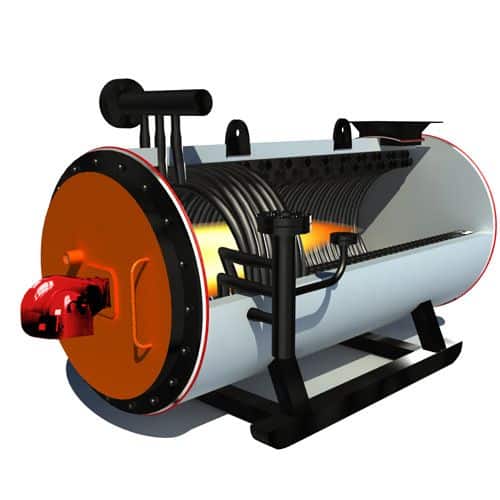
How It Works: Core Principles
- Fuel and Air Mix. Natural gas or propane mixes with air in a controlled burner.
- Combustion. The mixture ignites in a large, durable combustion chamber. This creates intense heat.
- Heat Transfer. The heat flows through metal tubes or a chamber surrounded by water. This is the “heat exchanger.”
- Steam or Hot Water. Water absorbs the heat. It turns into steam or very hot water under pressure.
- Distribution. Pumps and pipes send the steam or hot water where it’s needed in the plant.
- Exhaust. Combustion gases exit through a dedicated flue or stack.
Common Types in Industry
- Fire-Tube Boilers. Hot gases pass through tubes submerged in a large water tank. Common for lower pressure and smaller to medium capacity needs. Robust and easier to maintain.
- Water-Tube Boilers. Water flows inside tubes, and hot gases surround them. Used for high-pressure, high-capacity, and high-efficiency applications. More complex but very powerful.
- Condensing Boilers. A highly efficient modern type. They capture extra heat from the exhaust gases (water vapor). This pre-heats the incoming cold water. Significantly reduces fuel use.
Key Features for Industry
- High Capacity & Pressure. Designed for continuous, heavy-duty operation.
- Advanced Controls. Automated systems manage fuel, air, water level, and pressure precisely. This ensures safety and optimizes efficiency.
- Fuel Flexibility. Many can use different gases. Some are dual-fuel, capable of switching to oil if needed.
- Emission Control Systems. Modern boilers include technology to reduce nitrogen oxides (NOx) and other emissions. This meets environmental regulations.
Critical Safety & Maintenance
- Professional Operation. Requires trained, certified personnel.
- Routine Inspection is Law. Regular internal and external inspections are mandatory. This checks for corrosion, scale, and wear.
- Water Treatment is Essential. Untreated water causes scale and corrosion inside the boiler. This reduces efficiency and can be dangerous. Chemical treatment programs are vital.
- Safety Valve Testing. The primary safety device must be tested regularly. It prevents over-pressure.
- Burner Maintenance. The burner assembly needs careful cleaning and adjustment. This ensures clean, efficient combustion.
Why Industry Relies on Them
- High Efficiency. Modern industrial boilers convert over 95% of fuel energy into usable heat.
- Reliable Power. Provides consistent, on-demand thermal energy for critical processes.
- Cost-Effective. Natural gas is often an economical fuel choice for large-scale operations.
The Bottom Line
An industrial gas boiler is a major investment and a critical asset. Its safe and efficient operation depends on professional design, proper water treatment, and strict maintenance schedules. Working with qualified engineers and technicians is not just a recommendation—it’s a necessity for productivity and safety.
For further problems about gas boiler, please contact our technical team for expert advice.
Whatsapp:86-19106101570
wechat:86-19106101570
email:fob@jsryan.com
 Chinese
  Russian
  Indonesian
  German
  French
  Italian
  Spanish
  Portuguese
  Polish
  Czech
Czech  Turkish
  Korean
  Japanese
  Arabic
  Persian
  Dutch
Dutch  English
Hi! Do you use Twitter? I’d like to follow you if
that would be okay. I’m absolutely enjoying your blog and look forward to new updates.
Thank you. Please feel free to contact us if you need any assistance. WHATSAPP +86 19106101570
Having read this I believed it was really informative.
I appreciate you taking the time and energy to put this
article together. I once again find myself personally spending a significant amount of time both reading
and posting comments. But so what, it was still worth it!
Thank you. Please feel free to contact us if you need any assistance. WHATSAPP +86 19106101570