
Many industries need heat. They need it for drying, curing, or baking materials. Thermal oil heater systems https://8ruiyan.com/en/all-organic-heat-carrier-boilers/ with well-designed drying room are a top choice. They are efficient, precise, and safe. This guide explains how they work together. It also shows you how to calculate the needed heating power.
What is an Industrial Drying Room?
An industrial drying room is a temperature-controlled space. Its job is to remove moisture from solids using heat. This process is key in many industries. Think of food processing, woodworking, textiles, and chemicals.
Modern systems often use forced hot air circulation. They are complex. They have several key parts. There is a heating system to generate warmth. A ventilation system moves and dehumidifies the air. An intelligent control system manages everything. Finally, there are chambers for the material and the heating equipment.
The main goal is to transfer heat to the material effectively. This can be done in different ways. The heat can come from convection, conduction, or radiation. Often, a combination is used.
Why Choose a Thermal Oil Heater?
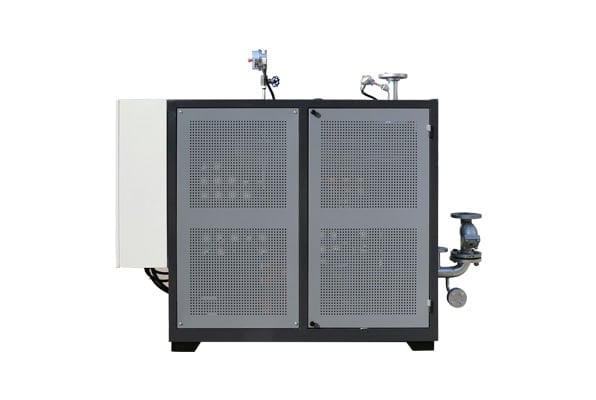
A thermal oil heater uses special oil as a heat transfer fluid. The oil is heated and then pumped to the drying room’s heat exchanger. It is different from steam systems. Here are its main advantages for drying:
- High Temperature at Low Pressure: It can provide very high heat (over 300°C) safely. It operates at much lower pressure than a steam system would at the same temperature.
- Precise & Stable Control: The system offers excellent temperature stability. This is crucial for quality drying processes.
- High Efficiency: The system is a closed loop. The hot oil returns to the heater. This design saves a lot of energy.
How to Calculate the Required Power for Your Drying Room
Finding the right heater size is critical. If it’s too small, it won’t heat enough. If it’s too big, you waste energy and money. The total power needed has several parts. Here is a simplified step-by-step guide.
Core Power Calculation Formula
A fundamental formula for calculating heating power is:
P = (Qm × Cp × ΔT) / 3600
Where:
- P = Heating Power (kW)
- Qm = Mass flow rate of air/material (kg/h)
- Cp = Specific heat capacity (kJ/kg·°C). For air, it’s about 1.0 kJ/kg·°C.
- ΔT = Required temperature rise (°C)
- 3600 = Converts joules to kilowatt-hours.
Step-by-Step Calculation Breakdown
To make it clearer, you can break down the total heating need into parts. The table below outlines these key components:
Important Note on Practical Application
These calculations provide a strong theoretical estimate. However, designing a real-world system has more steps.
- You must perform a complete heat balance. This accounts for all energy entering and leaving the system.
- Lab tests on your specific material are the best way to get accurate drying times and conditions.
- Always add a safety factor. Experts recommend adding 10-35% extra power to the calculated value. This covers unexpected conditions and ensures reliable operation.
In short, a thermal oil system with a well-planned drying room is an excellent heating solution. It is efficient and controllable. Accurate power calculation is the first step to a successful project. Start with the formulas. Then, consult with an experienced engineer. They can help you with the final design and safety checks.
For further consultation, please contact our technical team for expert advice.
Whatsapp:86-19106101570
wechat:86-19106101570
email:fob@jsryan.com
 Chinese
  Russian
  Indonesian
  German
  French
  Italian
  Spanish
  Portuguese
  Polish
  Czech
Czech  Turkish
  Korean
  Japanese
  Arabic
  Persian
  Dutch
Dutch  English