
Thermal fluid https://8ruiyan.com/en/all-organic-heat-carrier-boilers/ is the lifeblood of your heating system. When it degrades or gets contaminated, problems start. Efficiency drops, costs rise, and safety risks increase. Understanding why this happens and what to do is key to protecting your system.
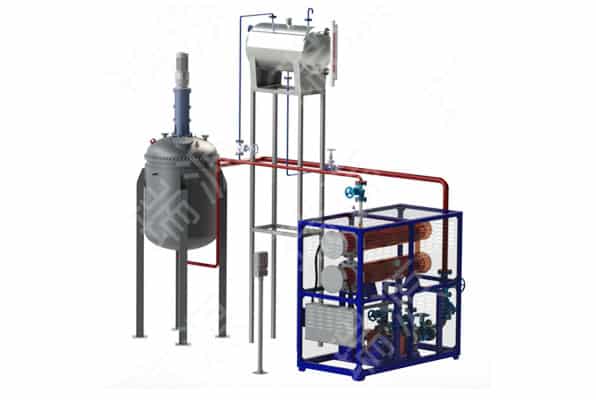
Part 1: Top Reasons for Fluid Degradation (Internal Breakdown)
This happens from conditions inside the system itself.
- Overheating (Thermal Cracking): The most common cause. Fluid temperature exceeds its maximum film temperature. This breaks down the fluid’s molecules.
- Oxidation: Oxygen enters the system, usually through the expansion tank. Hot fluid reacts with oxygen. This forms acids and sludge. It thickens the fluid.
- Localized Overheating (Film Temperature): Fluid moves too slowly past hot heater surfaces. A thin, stagnant film forms. This film gets much hotter than the main fluid flow and breaks down.
Part 2: Common Sources of System Contamination (External Problems)
Foreign substances get into the closed loop.
- Water/Moisture Ingress: Leaking heat exchanger tubes or steam coils let water in. Water in hot oil flashes to steam. This causes violent pressure surges. It also leads to corrosion.
- Cross-Contamination: Wrong fluid is added during top-up. Process chemicals leak into the system. Residual cleaning solvents remain after maintenance.
- Internal Debris: Rust, pipe scale, or broken gasket material circulates. This acts as an abrasive and can coke on hot surfaces.
Part 3: How to Identify a Problem Early
Watch for these warning signs.
- Visual Cues: Fluid color turns very dark or black. You see sludge in the expansion tank or strainers.
- Performance Cues: Heater needs more fuel to reach temperature. System pressure is higher than normal. Pumps make strange noises.
- Laboratory Analysis: Regular oil analysis is crucial. It tracks Total Acid Number (TAN) and viscosity. A rising TAN means oxidation. Changed viscosity indicates breakdown or contamination.
Part 4: Action Plan – What to Do When You Find a Problem
Step 1: Immediate Response
- Take a hot, circulating fluid sample for lab testing.
- Reduce system temperature if possible to slow damage.
- Check for obvious leaks, especially at pumps and heat exchangers.
Step 2: Corrective Strategies (Based on Severity)
- For Early-Stage Oxidation: Use a side-stream purification unit. It filters solids and removes acidic components. This can extend fluid life.
- For Severe Degradation or Contamination: A complete fluid change and system flush is needed. This is a major project.
- Safely drain and dispose of the old fluid.
- Circulate a specialized flushing fluid to clean internal sludge.
- Remove all flushing fluid completely.
- Charge with new, correct-grade thermal fluid.
- Deaerate the system properly before restart.
Part 5: Prevention – Your Best Defense
- Control Temperature: Never exceed the fluid’s maximum recommended temperature. Ensure good flow velocity past heaters.
- Keep Air Out: Use a nitrogen blanket on the expansion tank. This prevents oxygen contact.
- Test Regularly: Implement a quarterly fluid analysis program. It is a low-cost insurance policy.
- Train Staff: Operators must understand the importance of temperature limits and early signs of trouble.
Conclusie
Fluid degradation and contamination are manageable. The key is a mix of prevention, vigilance, and swift action. Protect your system’s efficiency and safety. Invest in regular checks and correct operation. When problems arise, consult with your fluid supplier or a qualified service provider for the best solution.
For further problems about organic thermal fluid heaters, please contact our technical team for expert advice.
Whatsapp:86-19106101570
wechat:86-19106101570
email:fob@jsryan.com
 Chinese
  Russian
  Indonesian
  German
  French
  Italian
  Spanish
  Portuguese
  Polish
  Czech
Czech  Turkish
  Korean
  Japanese
  Arabic
  Persian
  Dutch
Dutch  English