
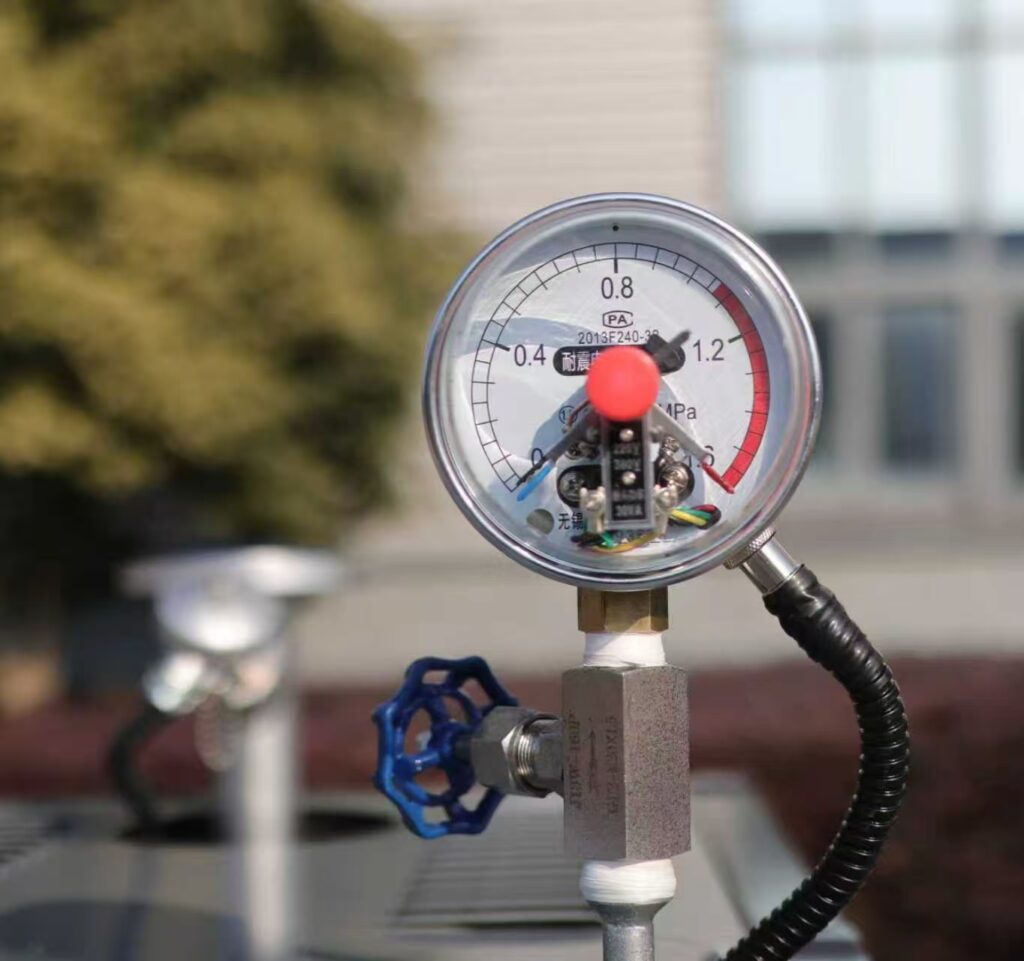
Walk past any industrial thermal oil heater https://8ruiyan.com/en/all-organic-heat-carrier-boilers/, and you’ll see it—a small, round dial mounted on a pipe. It might seem simple, even forgettable. But that pressure gauge is one of the most important storytellers in your entire heating system. It doesn’t just show a number; it reveals the real-time health and efficiency of your operation. Ignoring it is like ignoring a fever; the problem will only grow.
Beyond the Basics: What the Pressure Really Means
At its core, the gauge measures the circulating force of the thermal oil. Think of it as the system’s blood pressure. A stable reading within the manufacturer’s specified range is the sign of a happy, healthy system. But to truly understand it, we need to look deeper.
Pressure is a direct reflection of flow and resistance.
- Normal, Stable Pressure: The pump is winning the battle against friction in the pipes and components. Heat is being delivered smoothly.
- Changing Pressure Tells a Story: Any shift indicates that balance is disturbed.
Decoding the Gauge’s Warning Language
The needle’s position and movement are a coded language. Here’s a more detailed translation:
1. The Needle is Too High (High Pressure)
This is a clear sign of increased resistance. Possible causes include:
- Blockage or Buildup: Sludge, carbon deposits, or degraded oil can narrow pipes, especially in lower-temperature zones.
- Valve Failure: A valve that is mistakenly closed or malfunctioning can obstruct flow.
- Overheating Danger: If the oil temperature rises too high, its viscosity can change, increasing pump load. This is a critical safety warning.
- Air or Gas Lock: Surprisingly, trapped air can create blockages that raise local pressure.
2. The Needle is Too Low or Falling (Low Pressure)
This signals a loss of pumping power or a loss of the fluid itself. Causes are often serious:
- System Leak: This is the most immediate concern. A leak means lost oil, a fire risk, and environmental hazard.
- Pump Failure: The pump’s impeller might be worn, the motor struggling, or the seals failing.
- Air Intake: Air entering the suction side of the pump drastically reduces its ability to move oil.
- Oil Degradation: If the thermal oil has broken down and become too thin (low viscosity), the pump cannot build proper pressure.
3. The Needle is Fluttering or Pulsating
This unstable behavior points to dynamic problems:
- Pump Cavitation: This occurs when the pump sucks in vapor bubbles (from localized overheating or low suction pressure). Their collapse causes damaging shocks and erratic pressure.
- Significant Air in System: Large air pockets moving through the system will cause the needle to jump with each pass.
From Observation to Action: A Proactive Maintenance Guide
Reading the gauge is step one. Acting on it is what saves money and prevents disaster.
Daily/Operational Checks:
- Log the Reading: Note the normal operating pressure when the system is hot and circulating well. Establish a baseline.
- Check at Startup and Shutdown: Observe how pressure builds and falls. Sudden drops at shutdown can point to leaks.
- Look for Gradual Trends: A pressure that slowly creeps up over weeks likely indicates fouling. A gradual decrease may suggest a developing pump issue or small leak.
Scheduled Maintenance:
- Calibration is Key: Pressure gauges can lose accuracy. Calibrate them against a master gauge at least once a year.
- Inspect the Gauge Itself: Ensure the glass is intact, the dial is legible, and the needle moves smoothly without sticking. Check the small siphon tube or pigtail (the coiled copper pipe) that protects it from direct heat—it should be clear.
- System Correlation: Never look at pressure in isolation. Correlate it with temperature and flow meter readings. High pressure with low flow? That’s a classic blockage signature.
The Cost of Ignoring the Gauge
A failed or ignored pressure gauge leads to blind operation. The consequences are real:
- Catastrophic Failure: Unchecked high pressure can rupture pipes or hoses.
- Costly Downtime: A seized pump or clogged system halts production.
- Energy Waste: A system struggling against low flow or high resistance uses far more electricity.
- Safety Hazards: Leaks and over-temperature events pose serious fire risks.
Your Takeaway
Your thermal oil heater’s pressure gauge is a diagnostic powerhouse. It is the first and easiest point of check for system health. By understanding its deeper meaning, watching for trends, and integrating its data with other instruments, you move from reactive repairs to predictive, smart maintenance.
Make this a habit: Start every shift with a glance at the gauge. Know its normal language. When it starts to whisper a warning, you’ll be ready to listen. That simple dial isn’t just showing pressure—it’s showing you the path to safety, efficiency, and reliability.
For further problems about organic thermal fluid heaters, please contact our technical team for expert advice.
Whatsapp:86-19106101570
wechat:86-19106101570
email:fob@jsryan.com
 Chinese
  Russian
  Indonesian
  German
  French
  Italian
  Spanish
  Portuguese
  Polish
  Czech
Czech  Turkish
  Korean
  Japanese
  Arabic
  Persian
  Dutch
Dutch  English