
Organic heat transfer fluid (thermal oil) systems https://8ruiyan.com/en/all-organic-heat-carrier-boilers/are vital for many industries. However, leaks and component failures can happen. They pose safety risks and hurt productivity. Here’s a breakdown of common issues and what to do about them.
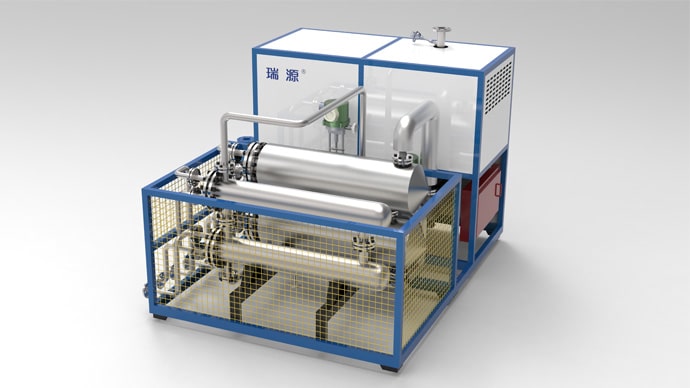
Common Leak Points & Actions
- Pump Seals: This is a very common leak source. Seals wear out over time.
- Action: Schedule regular inspection. Replace worn mechanical seals promptly. For minor leaks during operation, prepare for a shutdown and repair. Never ignore a growing leak.
- Flange & Threaded Connections: Loose connections or degraded gaskets can cause leaks.
- Action: During planned shutdowns, check and tighten all connections. Always replace old gaskets with compatible, temperature-rated new ones. Use proper torque specifications.
- Welded Joints & Piping: Cracks or pinholes can develop due to corrosion, stress, or wear.
- Action: Isolate the affected section if possible. Shut down the system for repair. Only qualified personnel should perform welding on pressure parts. Always follow safety codes.
- Valve Stems & Stuffing Boxes: Valves, especially control valves, can develop leaks around the stem.
- Action: Repack the stuffing box if designed for it. Otherwise, the valve may need servicing or replacement. Ensure the new valve is rated for your system’s temperature.
Key Component Failures & Responses
- Circulation Pump Failure:
- Problem: Pump stops. This causes rapid overheating in the heater and fluid degradation.
- Action: Immediate emergency shutdown of the heater is critical. Switch to a standby pump if available. Investigate the cause—electrical issue, seized bearing, or severe cavitation.
- Expansion Tank Issues:
- Problem: Low fluid level, water contamination, or lost nitrogen blanket. This can lead to oxidation and pressure problems.
- Action: Maintain proper fluid level. Check the nitrogen blanket system regularly. Remove any accumulated water. Ensure the tank is properly insulated.
- Heater Tube Failure:
- Problem: Tube burnout or cracking. This often results from localized overheating or scaling.
- Action: Immediate shutdown. This is a serious failure requiring professional repair. Investigate the root cause—poor flow, fouling, or flame impingement. Prevent it with good fluid maintenance and proper flow rates.
- Electrical & Control Failures:
- Problem: Faulty sensors, control loops, or safety cut-offs. This can lead to unsafe temperatures or pressures.
- Action: Perform regular calibration of all temperature and pressure sensors. Test safety interlocks and alarms frequently. Have a qualified technician repair any faulty instruments.
General Rule: Safety First!
Never ignore a leak or unusual system behavior. Hot thermal oil can ignite spontaneously in air. Always:
Wear proper PPE when inspecting.
Fix leaks immediately.
Follow a strict preventive maintenance schedule.
Use only fluids and parts recommended by the system manufacturer.
A well-maintained system is a safe and efficient one. Stay alert and address small problems before they become big, costly, or dangerous ones
For further problems about Organic Heat Transfer Fluid Systems, please contact our technical team for expert advice.
Whatsapp:86-19106101570
wechat:86-19106101570
email:fob@jsryan.com
 Chinese
  Russian
  Indonesian
  German
  French
  Italian
  Spanish
  Portuguese
  Polish
  Czech
Czech  Turkish
  Korean
  Japanese
  Arabic
  Persian
  Dutch
Dutch  English