
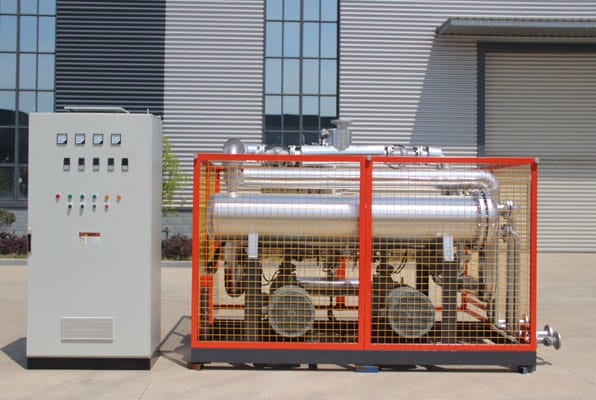
A thermal fluid heater, also known as a hot oil boiler, is a core piece of equipment in many industrial processes, delivering consistent, high-temperature heat for applications ranging from chemical manufacturing to food processing. While standard designs serve common needs effectively, some operations require more than an “off-the-shelf” unit. This is where customized thermal fluid systems https://8ruiyan.com/en/all-organic-heat-carrier-boilers/become essential. Let’s break down the main components of a typical heater and explore why tailored solutions are often the key to optimal performance, safety, and efficiency.
The Core Components:
- The Heater Section: This is the heart of the system. Tubes carry the thermal fluid through a furnace where burners heat it to the required temperature. The design ensures even heating and prevents the fluid from overheating.
- The Burner: It provides the heat by combusting fuel (like gas, oil, or biomass). Its job is to be efficient and controllable. Modern burners often include precise controls for fuel-air ratio.
- The Thermal Fluid Circulation Pump: This is the system’s engine. It must be robust and reliable. It constantly moves the hot fluid from the heater to the process and back again.
- The Expansion Tank: Thermal fluid expands when heated. This tank provides a safe space for the expanded fluid. It also helps remove moisture and dissolved gases from the system.
- The Control Panel & Safety Systems: This is the brain and nervous system. It includes temperature controllers, pressure gauges, flow monitors, and critical safety cut-offs. These features protect the system from dangerous conditions like overheating or low flow.
Why Go Custom? The Need for Tailored Solutions
Standard heaters work well for common needs. But many industrial processes have unique challenges. A custom-designed thermal fluid system can offer better efficiency, safety, and longevity. Here are the main reasons for customization:
- Unique Space Constraints: The equipment must fit into an existing factory layout. This often requires changes to the heater’s physical dimensions or connection points.
- Special Process Requirements: Some processes need very precise temperature control. Others require rapid heating or cooling cycles. The standard design may not be optimal.
- Unusual Fuel Types: If you are using a specific fuel (like biogas or waste oil), the burner and combustion chamber need to be designed for it.
- Extreme Conditions: Operations in very cold climates or corrosive environments need special materials and insulation.
Key Areas That Are Often Customized:
- Heater Size & Shape (Layout): This is the most common change. The heater’s footprint, orientation (vertical or horizontal), and tube arrangement can be modified. The goal is to fit your available space perfectly.
- Combustion System (Burner & Chamber): The burner might be customized for a special fuel blend. The combustion chamber’s shape and insulation can be optimized for maximum efficiency and low emissions.
- Heat Transfer Surface & Flow Path: For complex temperature profiles, the layout of the heating tubes might be changed. This ensures the fluid heats up exactly as needed for your process.
- Materials of Construction: Standard carbon steel isn’t right for every job. If your process involves corrosive elements or requires ultra-pure fluid, parts may be built with stainless steel or other special alloys.
- Control & Instrumentation Package: The level of automation can be tailored. You might need advanced remote monitoring, integration with a factory SCADA system, or extra safety interlocks for a hazardous area.
In Summary
Think of a thermal fluid heater as a team of core components working together. Understanding these parts helps you see where a standard model might fall short. Customizing key areas like the layout, burner, materials, and controls ensures your heater is not just a piece of equipment. It becomes a reliable, efficient, and safe solution built specifically for your plant’s needs.
Before you choose a heater, clearly define your process requirements, space limits, and future goals. A good supplier will work with you to identify what, if anything, needs to be customized for optimal performance.
For further problems about customized thermal fluid systems , please contact our technical team for expert advice.
Whatsapp:86-19106101570
wechat:86-19106101570
email:fob@jsryan.com
 Chinese
  Russian
  Indonesian
  German
  French
  Italian
  Spanish
  Portuguese
  Polish
  Czech
Czech  Turkish
  Korean
  Japanese
  Arabic
  Persian
  Dutch
Dutch  English