
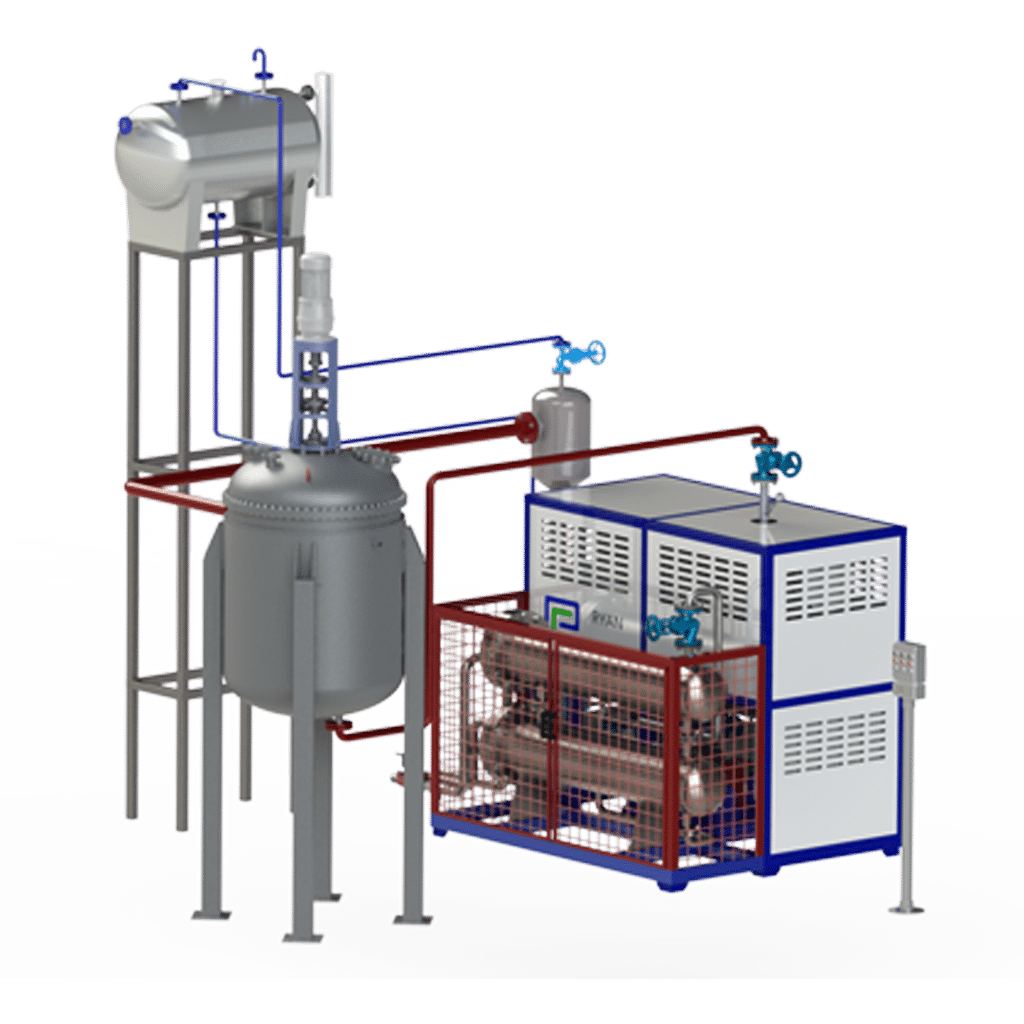
Electric thermal fluid heaters https://8ruiyan.com/en/all-organic-heat-carrier-boilers/ are popular in many industries. They provide stable high-temperature heat without high pressure. Users often ask: What is their typical heat exchange efficiency?This post gives you a clear answer. It also explains the factors that affect performance.
What is the Typical Efficiency?
The good news is simple. Electric thermal fluid heaters have very high efficiency.
Most units operate at 95% to 99% efficiency. Many modern systems achieve nearly 98% to 99%. Some high-end designs can reach 99.5%.
Why is this so high? Unlike fuel-fired boilers, electric heaters have no flue gas. They do not lose heat through a chimney. Almost all electrical energy converts directly into heat. Only minor surface radiation losses occur.
Key Factors That Affect Efficiency
Even with high baseline efficiency, several factors can lower performance. You should check these points regularly.
1. Insulation Quality
Poor insulation is the main loss source. The heater body radiates heat to the surroundings. Good insulation keeps heat inside. Thick, high-grade mineral wool or ceramic fiber works best. Damaged or wet insulation reduces efficiency by 2% to 5%.
2. Thermal Fluid Condition
Old or degraded thermal fluid transfers heat poorly. It may form carbon deposits inside the heater. These deposits act as an insulator. They block heat flow from the electric elements to the fluid. Regular fluid sampling and replacement prevent this issue.
3. Flow Rate
Proper flow is critical. Too low a flow rate causes localized overheating. The heater may shut down or damage the oil. Too high a flow rate reduces residence time. The fluid does not pick up enough heat per pass. Design flow should match the heater’s specifications.
4. Heating Element Surface Load
This is a design factor. Surface load means watts per square centimeter (W/cm²) on the element. A low surface load (3–5 W/cm²) is gentle on the oil. It extends fluid life and maintains efficiency. A high surface load causes coking. Coking reduces heat transfer over time.
5. Control System Accuracy
A good control system maintains precise outlet temperature. It uses a PID controller and solid-state relays. This system turns power on and off smoothly. Harsh on/off cycling creates thermal shock. It wastes energy and stresses components.
How to Maintain High Efficiency
Follow these simple steps:
- Check insulation every six months. Repair any damage.
- Test thermal fluid annually. Look for total acid number (TAN) and viscosity changes.
- Monitor flow rate daily. Keep it within design range.
- Use soft starts or phase-angle firing controllers. This reduces thermal shock.
- Clean the heater during scheduled shutdowns. Remove any internal deposits.
Conclusão
Electric thermal fluid heaters offer excellent efficiency. You can expect 98% to 99% in a well-designed system. Real-world losses come mostly from insulation, fluid condition, and flow issues. Regular maintenance keeps efficiency high. This saves energy and extends equipment life.
For further problems about heat exchange efficiency , please contact our technical team for expert advice.
Whatsapp:86-19106101570
wechat:86-19106101570
email:fob@jsryan.com
 Chinese
  Russian
  Indonesian
  German
  French
  Italian
  Spanish
  Portuguese
  Polish
  Czech
Czech  Turkish
  Korean
  Japanese
  Arabic
  Persian
  Dutch
Dutch  English