
A clogged vacuum cleaning furnace https://8ruiyan.com/en/all-vacuum-cleaning-furnaces/ slows down production, hurts efficiency, and leads to costly downtime. Understanding the common causes is the first step to solving and preventing this frustrating issue.
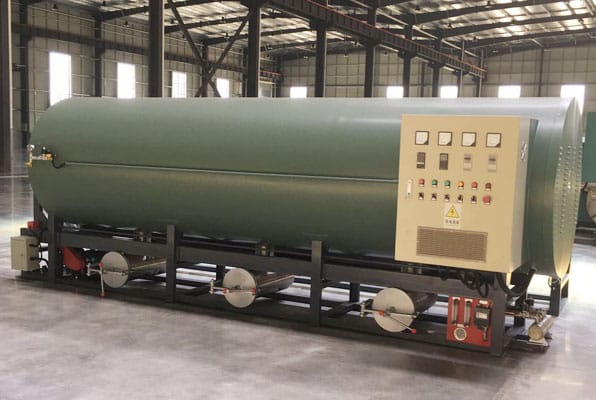
Common Causes of Clogges
- Excessive Oil or Grease
The main job of the furnace is to remove contaminants from parts. Overloading it with too much oil, grease, or cutting fluids can overwhelm the system. These substances vaporize and then re-condense in cooler parts of the piping, creating thick deposits. - Incorrect Process Parameters
Using the wrong temperature or vacuum pressure is a key factor. If the temperature is too low, contaminants may not fully vaporize. They can then settle as semi-solid sludge. Similarly, if the vacuum level is not strong enough, it cannot carry all the vapors out effectively. - Contaminated or Damaged Filters
The filtration system traps solid particles. If filters are not changed regularly, they become completely blocked. A damaged filter allows debris to pass through. This debris can then lodge in narrow passages or the heat exchanger. - Foreign Objects and Debris
Small pieces like loose cleaning media, metal chips, or even fragments from the parts themselves can enter the system. These physical objects can cause direct blockages in pipes and valves. - Poor Maintenance
A lack of regular cleaning is perhaps the most common cause. Over time, even with normal use, a thin film of carbon or other by-products builds up. This gradually reduces the flow until a full clog occurs.
How to Handle a Clogged Furnace
- Inspect and Identify
First, let the furnace cool down completely. Then, check the most likely problem areas. These include the cold trap (waste collection tank), oil mist filter, exhaust piping, and vacuum pump inlet. Look for visible sludge, solid deposits, or debris. - Clean the Waste Collection Tank
After processing a batch of parts, open and clean this component following the manufacturer’s instructions. Properly dispose of the collected waste and ensure the tank is completely dry before reinstalling it. - Review and Adjust Process Parameters
Check your furnace settings for the specific parts you are cleaning. Ensure the temperature and vacuum levels are correct for the type and amount of contaminant present. Consult the furnace manual or your process guidelines. - Professional Service
For severe clogs deep within the system, or if the clog is inside critical components like the heat exchanger or vacuum pump, contact a qualified service technician. They have the tools and expertise for deep cleaning and repairs.
How to Prevent Future Clogges
- Pre-Clean Parts: Wipe off or drain excess oil and grease from parts before loading them into the furnace. This simple step dramatically reduces the load on the system.
- Stick to a Maintenance Schedule: Create and follow a strict plan for preventive maintenance. This includes regular filter changes, inspection of seals, and cleaning of the cold trap.
- Use Optimal Parameters: Establish and document the best temperature, pressure, and cycle time for each part type you process. Train all operators to use these settings.
- Install Pre-Filters: Consider adding external pre-filtration for parts with very high contaminant levels. This captures bulk debris before it enters the furnace.
- Keep a Log: Record all maintenance, filter changes, and any process issues. This log helps spot trends and prevents small problems from becoming big clogs.
Conclusão
By understanding these causes and taking proactive steps, you can keep your vacuum cleaning furnace running smoothly. This ensures consistent results and maximizes your equipment’s lifespan.
For further problems about clogged vacuum cleaning furnace, please contact our technical team for expert advice.
Whatsapp:86-19106101570
wechat:86-19106101570
email:fob@jsryan.com
 Chinese
  Russian
  Indonesian
  German
  French
  Italian
  Spanish
  Portuguese
  Polish
  Czech
Czech  Turkish
  Korean
  Japanese
  Arabic
  Persian
  Dutch
Dutch  English