
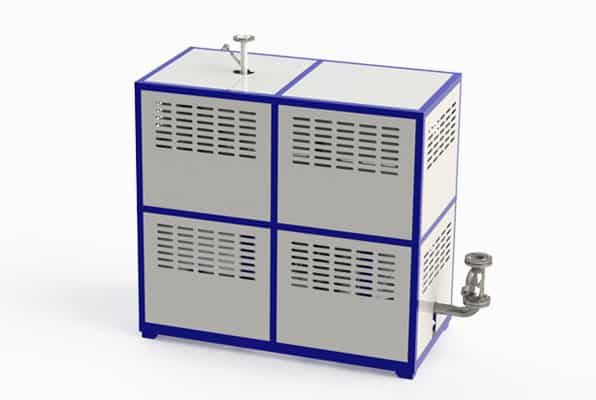
Thermal fluid heaters https://8ruiyan.com/en/all-organic-heat-carrier-boilers/, also known as organic heat transfer fluid systems, are vital in many industries. They operate at high temperatures with low pressure. Safe and efficient operation depends on strict procedures. Here are the key principles and safety reminders.
General Operating Principles
- Fluid Selection is Critical. Always use the fluid specified by the system manufacturer. Match the fluid’s thermal stability limits to your maximum operating temperature. Never mix different types of fluid.
- Prevent Oxidation and Degradation. Maintain a closed expansion tank with a nitrogen blanket. This keeps air out. Oxygen causes oxidation. It leads to sludge and acid formation.
- Control Temperature and Flow. Ensure proper fluid velocity through the heater. This prevents localized overheating (coking). The heater outlet temperature must stay below the fluid’s maximum film temperature.
- Start Up and Shut Down Correctly. Follow a gradual temperature ramp during start-up. This avoids thermal shock. Circulate fluid during cooldown. Protect the heater and piping.
- Implement Regular Analysis and Maintenance. Take fluid samples regularly for laboratory analysis. Check for viscosity, acidity, and carbon content. Change the fluid when key indicators degrade. Clean strainers and filters often.
- Ensure Proper Venting. Remove all low-boiling components and moisture during initial start-up. Follow the manufacturer’s procedure carefully. This prevents vapor lock and pump cavitation.
Important Safety Warnings
- Risk of Severe Burns. The entire system contains extremely hot fluid and surfaces. Assume all pipes and components are hot. Use appropriate personal protective equipment (PPE). This includes heat-resistant gloves, face shields, and protective clothing.
- Fire Hazard is Serious. Heat transfer fluids are often flammable. A leak from a hot, pressurized line can ignite spontaneously. Immediately stop the heater for any leak. Repair it before restarting. Keep the area clean from combustible materials.
- Avoid Inhaling Fumes. Do not breathe in mist or vapors from hot fluid, especially during maintenance or sampling. Work in well-ventilated areas. Fumes from degraded fluid can be harmful.
- Prevent System Overpressure. Ensure safety valves are correctly sized and installed. They must discharge to a safe location. Test and maintain these valves as scheduled.
- Never Add Cold Fluid to a Hot System. Adding cold fluid to an overheated or hot system can cause violent boiling. It leads to a dangerous eruption from the expansion tank.
- Train All Personnel Thoroughly. Only trained and authorized staff should operate or maintain the system. Everyone must understand the hazards. They must know emergency shutdown procedures.
Remember
Consistency and caution are key. Following these guidelines protects your personnel, extends equipment life, and ensures reliable operation. Always consult your system manual and fluid supplier for specific instructions.
For further problems about Thermal Fluid Heaters, please contact our technical team for expert advice.
Whatsapp:86-19106101570
wechat:86-19106101570
email:fob@jsryan.com
 Chinese
  Russian
  Indonesian
  German
  French
  Italian
  Spanish
  Portuguese
  Polish
  Czech
Czech  Turkish
  Korean
  Japanese
  Arabic
  Persian
  Dutch
Dutch  English
It’s really a great and helpful piece of info.
I’m happy that you just shared this helpful information with us.
Please keep us up to date like this. Thank you for sharing.
Thank you. Please feel free to contact us if you need any assistance. WHATSAPP +86 19106101570