
In many industrial processes, precise temperature control is non-negotiable. Molds need consistent heat. Tanks require stable temperatures. Chemical reactions demand exact thermal conditions. Achieving this reliability is not always easy. That is exactly where the water circulation heater https://8ruiyan.com/en/all-air-heaters/ proves its worth. It is a simple yet powerful solution to a complex problem.
This equipment is often overlooked. Yet it plays a vital role in countless manufacturing operations. It provides accurate, efficient, and uniform heating. And it does so using one of the simplest resources available: water.
What Is a Water Circulation Heater?
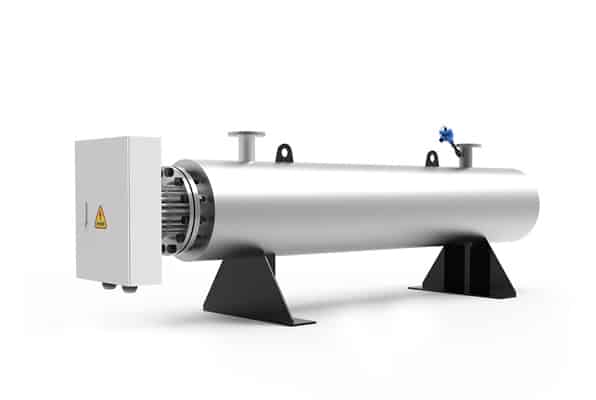
At its core, this system is straightforward. It heats water and circulates it through a closed loop. The heated water then transfers thermal energy to process equipment. This could be a mold, a reactor vessel, or a storage tank.
The heater itself typically contains electrical heating elements. These elements are immersed in the water flow. A circulation pump keeps the water moving continuously. Temperature sensors and controllers maintain the desired set point with remarkable precision.
How It Works
The operating cycle is simple and effective.
Cold water enters the system from the process return line. It passes through the heating chamber. The heating elements raise its temperature. The pump then pushes this hot water out to the process. The water releases its heat to the equipment. It returns to the heater, cooler than before. The cycle repeats continuously.
This closed-loop design offers major advantages. It conserves water. It saves energy. And it ensures consistent temperatures over long production runs.
Why Choose Water as the Heating Medium?
Water is an excellent heat transfer fluid. It has a high specific heat capacity. This means it carries a lot of thermal energy for its volume. Water is also inexpensive and widely available. It is non-toxic and safe to handle.
However, water does have limitations. It boils at 100°C at atmospheric pressure. For applications above this temperature, the system must be pressurized. In pressurized systems, water can remain liquid up to much higher temperatures. This extends the heater’s useful range significantly.
Key Benefits of Water Circulation Heaters
Energetická účinnost
Water transfers heat effectively. This reduces the energy needed to reach and maintain target temperatures. The closed-loop design also minimizes heat loss to the surroundings. The result is lower operating costs over time.
Uniform Heating
Temperature consistency is critical in many processes. Uneven heating can ruin products. It can cause warping, inconsistent curing, or failed reactions. Water circulation heaters deliver even, uniform heat distribution. This improves product quality and reduces scrap rates.
Fast Response Times
Water responds quickly to temperature adjustments. When the controller calls for more heat, the system reacts almost instantly. This rapid response is essential for processes with changing thermal demands.
Clean and Environmentally Friendly
Water is a clean heating medium. It does not create harmful emissions during normal operation. Many systems use deionized or distilled water to prevent scale buildup. This keeps the system clean and extends equipment life.
Common Applications
Water circulation heaters are found across many industries.
In plastics manufacturing, they heat injection molds and extrusion dies. In chemical processing, they maintain reaction temperatures in vessels. In food production, they sanitize equipment and maintain processing temperatures. In pharmaceutical manufacturing, they provide precise thermal control for sensitive products.
Selecting the Right System
Choosing the right heater requires careful consideration. Key factors include:
- Required temperature range
- Flow rate and pressure needs
- Process volume and heat load
- Available electrical power
- Environmental conditions
Working with an experienced supplier makes a significant difference. They can help size the system correctly and ensure reliable operation.
Maintenance Considerations
Water circulation heaters are generally low-maintenance. Still, routine care is important. Checking water quality prevents scale and corrosion. Inspecting heating elements ensures efficient operation. Monitoring pump performance avoids unexpected downtime.
Regular maintenance is a small investment. It protects against costly failures and production interruptions.
The Bottom Line
Na stránkách water circulation heater may not be glamorous. It rarely makes the headlines. But it forms the backbone of countless industrial operations. Its reliability, efficiency, and precision make it indispensable. For manufacturers serious about temperature control, this proven technology deserves serious attention. It delivers consistent performance, lasting durability, and real value—all in one dependable package.
For further problems about Water circulation heaters, please contact our technical team for expert advice.
Whatsapp:86-19106101570
wechat:86-19106101570
email:fob@jsryan.com
 Chinese
  Russian
  Indonesian
  German
  French
  Italian
  Spanish
  Portuguese
  Polish
  Czech
Czech  Turkish
  Korean
  Japanese
  Arabic
  Persian
  Dutch
Dutch  English