
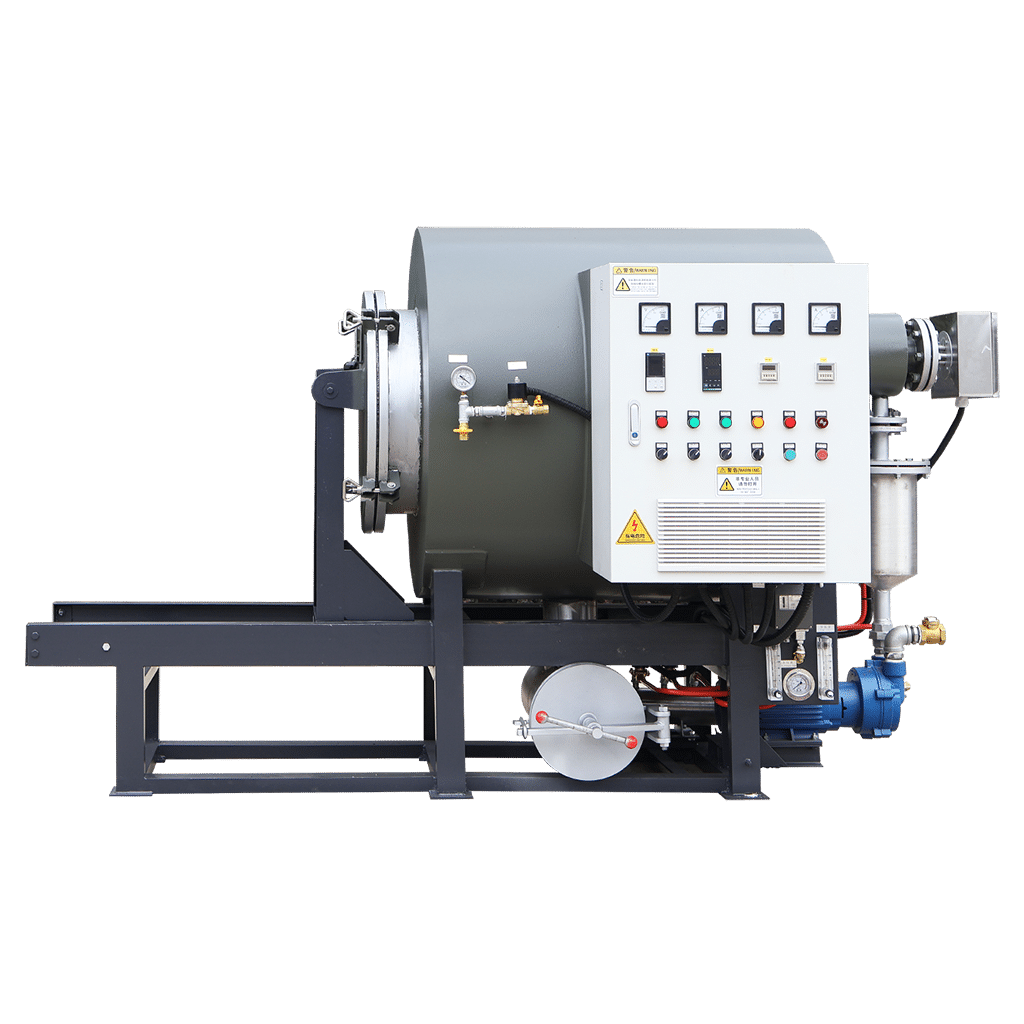
Vacuum cleaning furnace seals https://8ruiyan.com/en/all-vacuum-cleaning-furnaces/ may be small, but they are the unsung heroes of your equipment. When they work properly, you hardly notice them. When they fail, however, you notice immediately — the vacuum pump runs longer than usual, or the vacuum level just won’t reach the set value. More often than not, the culprit is a worn-out seal ring.
General Replacement Guidelines
There is no single number for every furnace. The cycle depends on the seal’s location, operating temperature, and how often you use the equipment.
Here are practical benchmarks:
| Seal Location | Recommended Cycle |
|---|---|
| Furnace door O-ring | Every 3 to 6 months |
| Static seals (flanges, windows, ports) | Every 12 months, or when you open the joint |
| Dynamic seals (moving shafts) | Check monthly; replace when wear appears |
Why Seals Wear Out
Three main factors degrade seals over time:
- Heat – At temperatures above 200°C, elastomers harden and take a permanent flat set. They lose the ability to conform to the sealing surface.
- Chemical attack – Volatilized oils, solvents, and polymer residues can condense on the seal, causing swelling, softening, or cracking.
- Mechanical wear – Each door open/close cycle creates friction. Dust and debris act like sandpaper, accelerating surface damage.
Four Signs That Say “Replace Now”
You don’t need to wait for a scheduled date. Change the seal immediately if you notice:
1. Visible damage. Cracks, cuts, flat spots, or permanent grooves on the surface. Run your fingernail across it — if you feel a ridge, it’s gone.
2. Loss of elasticity. The seal feels hard, brittle, or stiff instead of rubbery and springy. This cannot be reversed.
3. Recurring vacuum issues. Pump-down takes too long, or the vacuum level drifts upward during the hold stage. A leak test often points to the door seal.
4. Audible or visible leakage. Hissing sounds, dust being pulled into the chamber, or oil mist escaping — these are urgent warnings.
The Cost of Delaying Replacement
Some operators push seals beyond their useful life to save a few dollars. This is false economy.
A worn seal makes the vacuum pump run longer and more often. That increases energy consumption, accelerates pump oil degradation, and shortens pump life — potentially adding 15%–30% to your utility bill.
More seriously, poor vacuum means incomplete cleaning. Parts come out with residues, forcing you to re-run cycles. In the worst case, a seal failure during a high-temperature run can admit air, oxidize heating elements, and damage insulation.
A seal costs $50–$200. A heating element or pump costs thousands. The math is clear.
Good maintenance helps you get the most from each seal:
- Clean after every cycle. Wipe the seal and flange with a soft, lint-free cloth and mild solvent (isopropyl alcohol works well). Remove all residues before they embed in the rubber.
- Apply vacuum grease correctly. A thin, even film helps the seal slide and fills microscopic gaps. Apply just a sheen — too much attracts dust.
- Inspect weekly. Run your finger around the entire circumference. Feel for flat spots, nicks, or hardening. This takes 30 seconds and saves hours of troubleshooting.
- Release pressure during idle. When the furnace is cool and not in use, keep the door slightly ajar. This prevents the seal from taking a permanent compression set.
- Store spares properly. Keep replacement seals in a cool, dark, dry place. Avoid sunlight and ozone sources. Use them within 2–3 years of purchase.
A Simple Maintenance Routine
| Frequency | Action |
|---|---|
| After each cycle | Wipe seal and flange. Check for debris. |
| Weekly | Full visual and tactile inspection. |
| Monthly | Run a vacuum leak check (rate-of-rise test). Compare with baseline. |
| Every 3–6 months | Replace the door O-ring as preventive maintenance. |
| Annually | Replace all static flange and port seals. |
Final Takeaway
Adopt a condition-based policy with fixed maximum intervals.
Inspect regularly and replace when you see signs of wear — but never let a door seal go beyond 6 months, or a static seal beyond 12 months, regardless of how good it looks.
Keep a simple logbook. Record each replacement date, operating hours, and observations. Over time, you will develop data-driven intervals specific to your furnace and process.
A small seal costs little. A production delay or damaged equipment costs a lot. Change your seals on time, and your furnace will reward you with consistent, reliable performance.
For further problems about Vacuum Cleaning Furnace Seals , please contact our technical team for expert advice.
Whatsapp:86-19106101570
wechat:86-19106101570
email:fob@jsryan.com
 Chinese
  Russian
  Indonesian
  German
  French
  Italian
  Spanish
  Portuguese
  Polish
  Czech
Czech  Turkish
  Korean
  Japanese
  Arabic
  Persian
  Dutch
Dutch  English