
Giriş
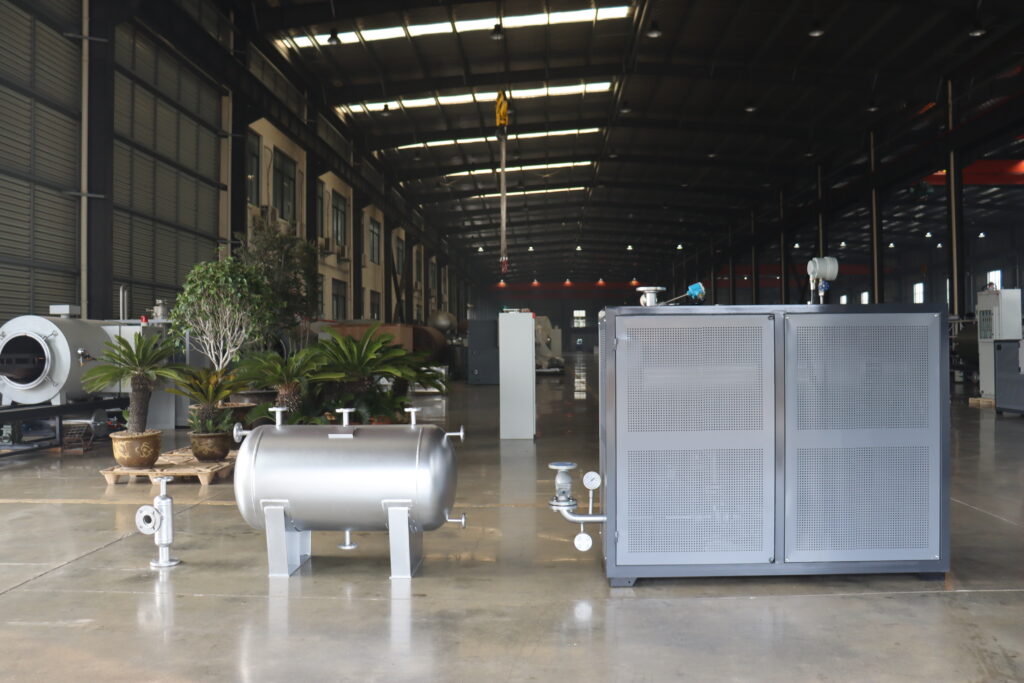
Elektrikli kızgın yağ ısıtıcıları https://8ruiyan.com/en/all-organic-heat-carrier-boilers/ are common in many industries. They provide stable high temperatures for processes. One term you will often hear is “heat load.”
But what does it actually mean? Is it the same as power? And what about minimum, normal, or maximum ratings?
This article explains these concepts in simple terms.
What is it?
It is the amount of heat energy the system needs to produce. It is measured in kilowatts (kW) or megawatts (MW).
Think of it as the “demand” from your process. Your equipment needs this much heat to run properly. The heater must meet this demand to keep the temperature stable.
The Difference Between Heat Load and Power
People often confuse it with power. They are related, but they are not the same.
- Heat Load is the demand. It is what the process requires.
- Heater Power is the supply. It is what the equipment can deliver.
For example, your process might need 100 kW of heat. That is the heat load. You then choose a heater that can supply 100 kW. That is the power rating.
Minimum, Normal, and Maximum Heat Load
Systems rarely run at one fixed level. Heat load usually changes during operation.
- Minimum Heat Load
This is the lowest demand. It happens during standby or low production. The heater must still control temperature at this level. Some heaters cycle on and off to manage low loads. - Normal Heat Load
This is the typical operating demand. It is the average heat required during regular production. Designers use this value to size the system for efficiency. - Maximum Heat Load
This is the highest possible demand. It occurs during startup or peak production. The heater must handle this level without failing. This value helps determine the maximum power capacity needed.
Does It Match Power?
Not exactly. The power rating of a heater should cover the maximum heat load. But it also needs to handle the minimum load.
If a heater has too much power for a low load, it may overheat the oil. If it has too little power for a high load, the temperature will drop.
Good design matches heater power to the expected heat load range. This ensures safe and stable operation.
Why This Matters
Understanding it helps you choose the right heater. It also helps with troubleshooting.
If your temperature is unstable, the load may have changed. Perhaps the process demands more heat than before. Or maybe the heater power is not enough.
Knowing these terms helps you talk with engineers and suppliers. It makes buying and operating equipment easier.
Sonuç
It is the heat demand from your process. Heater power is the equipment’s ability to supply it.
You must consider minimum, normal, and maximum loads. This ensures your electric thermal oil heater runs safely and efficiently.
Always match the heater power to your actual load range. This simple step prevents many common problems.
For further problems about Electric Thermal Fluid Heater, please contact our technical team for expert advice.
Whatsapp:86-19106101570
wechat:86-19106101570
email:fob@jsryan.com
 Chinese
  Russian
  Indonesian
  German
  French
  Italian
  Spanish
  Portuguese
  Polish
  Czech
Czech  Turkish
  Korean
  Japanese
  Arabic
  Persian
  Dutch
Dutch  English