
Carbon build-up on the extruder screw is a common headache for anyone running extrusion equipment. Over time, you will see black, baked-on residue forming on the screw surface. This residue comes from degraded polymer, additives, or excessive heat.
This carbon build-up on the extruder screw is bad for your process. It can change your melt quality. It can block the die. It can even damage the barrel. So, cleaning is not optional. It is necessary.
First, Try a Purge Compound
This is the easiest method. A purge compound is a special cleaning resin. You run it through the extruder just like your normal material.
The compound has abrasives or chemical agents. These scrub the screw and barrel as they pass through. The carbon softens and comes out with the purge.
The key is to follow the supplier’s instructions. Use the right temperature. Use enough material. And let it soak for the recommended time. This method works for light to moderate carbon.
For Heavy Build-Up: Pull the Screw
If the purge compound does not work, you need to remove the screw. This is more work, but it gives the best results.
Once the screw is out, you have several cleaning options.
- Mechanical Cleaning (Scraping)
You can use a soft metal brush or a copper scraper. These are softer than the screw steel. They will not scratch the surface.
Work slowly. Remove the soft carbon first. Then, use a non-woven abrasive pad to polish the surface. Never use a hard steel tool. It will leave marks. - Oven or Burn-Off
You can place the screw in a special oven. The oven heats the screw to a high temperature. This turns the carbon to ash.
After cooling, you can wash the ash off with water and a soft brush. This is very effective. Just be careful. High heat can change the temper of some screw metals. Check your screw’s specification first. - Vakum Temizleme Fırını https://8ruiyan.com/en/all-vacuum-cleaning-furnaces/
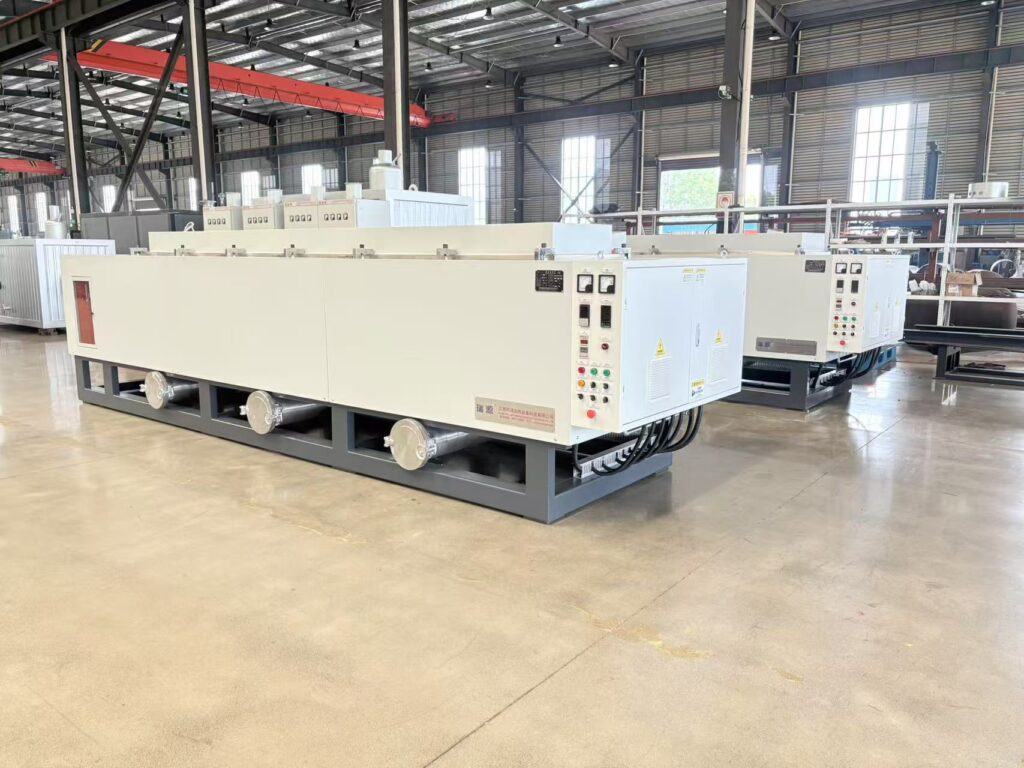
This is a more advanced method. You place the screw inside a vacuum furnace. The furnace heats the screw in a low-oxygen environment.
Under vacuum, the carbon breaks down and vaporizes. The vapor is then pulled out of the chamber.
This method is very clean. There is no ash residue to wash off. It is also gentle on the screw because the vacuum prevents oxidation. The screw surface stays smooth and undamaged.
- Media Blasting (Soda or Dry Ice)
This is a gentler option. You use a blaster with baking soda or dry ice pellets.
The media hits the carbon and breaks it off. It does not damage the metal. Dry ice is especially good because it turns to gas. There is no cleanup of the blasting media.
What About Solvents?
You might think of using a chemical solvent. However, carbon is highly cross-linked. Normal solvents do not dissolve it well. They just soften the top layer. So, chemical soaking is rarely the main solution. It is usually just a final wipe-down step.
Comparison of Methods
To help you choose, here is a quick comparison.
| Method | Best For | Pros | Cons |
|---|---|---|---|
| Purge Compound | Light to moderate carbon | Easy, no screw removal needed | Can be expensive for large screws, less effective on heavy carbon |
| Mechanical Scraping | Localized, tough spots | Low cost, good for final touch-up | Labor-intensive, risk of scratching if using wrong tools |
| Burn-Off Oven | Heavy, thick carbon | Very effective, removes all carbon | High heat may affect screw temper, creates ash that needs cleaning |
| Vakum Temizleme Fırını | Heavy carbon, precision screws | No oxidation, no ash residue, very gentle on metal | High cost, requires specialist equipment |
| Media Blasting | Moderate to heavy carbon | Gentle on metal, dry ice leaves no residue | Soda blasting leaves powder to clean up, requires blasting equipment |
A Final Cleaning Tip: The Glass Bead Test
After cleaning, check the screw surface. Use a magnifying glass. Look for any remaining carbon in the root of the flights. If you see any, clean that spot again. A clean screw means a smooth process.
How to Prevent Future Build-Up
Prevention is better than cleaning. Here are two quick tips.
- Don’t overheat. Run your melt temperatures at the low end of the range.
- Avoid long dwell times. Do not let hot polymer sit in the barrel for too long.
A regular cleaning schedule also helps. Clean your screw before the carbon gets thick. It will save you hours of hard work later.
Sonuç
Cleaning carbon build-up on the extruder screw is not a fun job. But it does not have to be complicated. For light carbon, use a purge compound. For heavy carbon, pull the screw and choose a method that fits your budget and equipment.
Dealing with carbon build-up on the extruder screw promptly will save you from bigger problems down the line. Keep your screw clean, and your extruder will run better. Your product quality will stay high, and your downtime will stay low.
For further problems about Vakum Temizleme Fırını , please contact our technical team for expert advice.
Whatsapp:86-19106101570
wechat:86-19106101570
email:fob@jsryan.com
 Chinese
  Russian
  Indonesian
  German
  French
  Italian
  Spanish
  Portuguese
  Polish
  Czech
Czech  Turkish
  Korean
  Japanese
  Arabic
  Persian
  Dutch
Dutch  English